YELLOW-STRIPED ARMYWORM, FALL ARMYWORM, BRISTLY CUTWORM, Yellow-spotted Brocade, VARIABLE NARROW-WING, OBTUSE SEDGE BORER, and The Thinker
Yellow-striped Armyworm moth, a very common species in our area.
Bristly Cutworm moth. These moths have faint lime-green spots on their wings (sometimes faded).
This is a Variable Narrow-wing moth (also known as the Orbed Narrow-wing). This species typically lives further to our south. They are rare to uncommon migrants in Ohio. I have only seen two individuals: one on November 7, 2016, and the other on November 15, 2025. They typically show up in years when the weather remains warm very late in autumn.
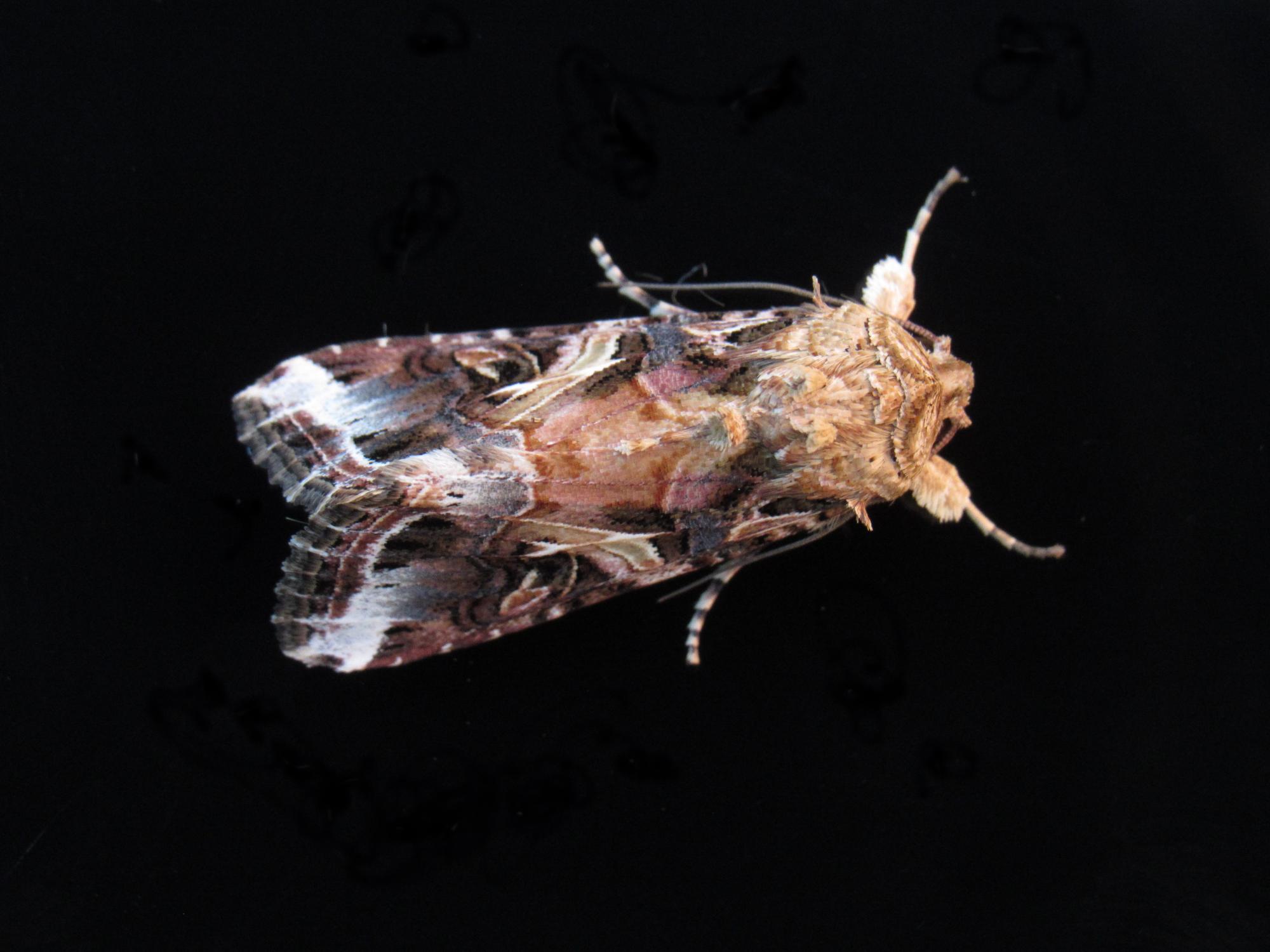
Another Yellow-striped Armyworm moth. I have found this species every month from April through November, but they are more common in late summer and fall.
Fall Armyworm moth. I find these moths from July through November.
Another Fall Armyworm moth. This species is considered a pest. Their larvae eat corn and many other plants.

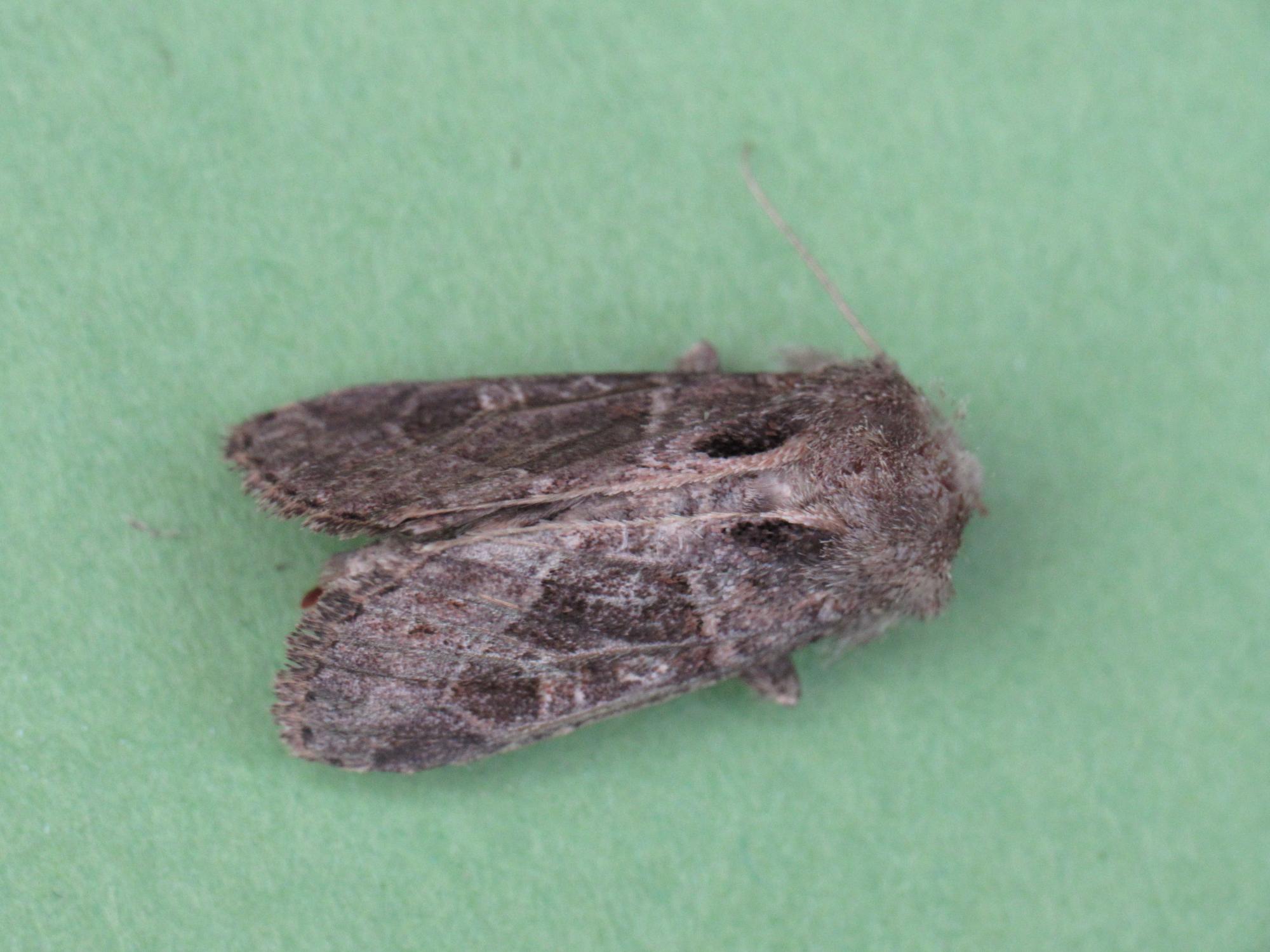
Another Bristly Cutworm. Very common at my moth lights from May through October.
This Yellow-striped Armyworm (same individual as above) was exceptionally colorful and beautiful. It came to my moth lights on July 30, 2023.
Another Yellow-striped Armyworm, not as colorful as the individuals above. These moths are variable. Their larvae eat a wide variety of plants.
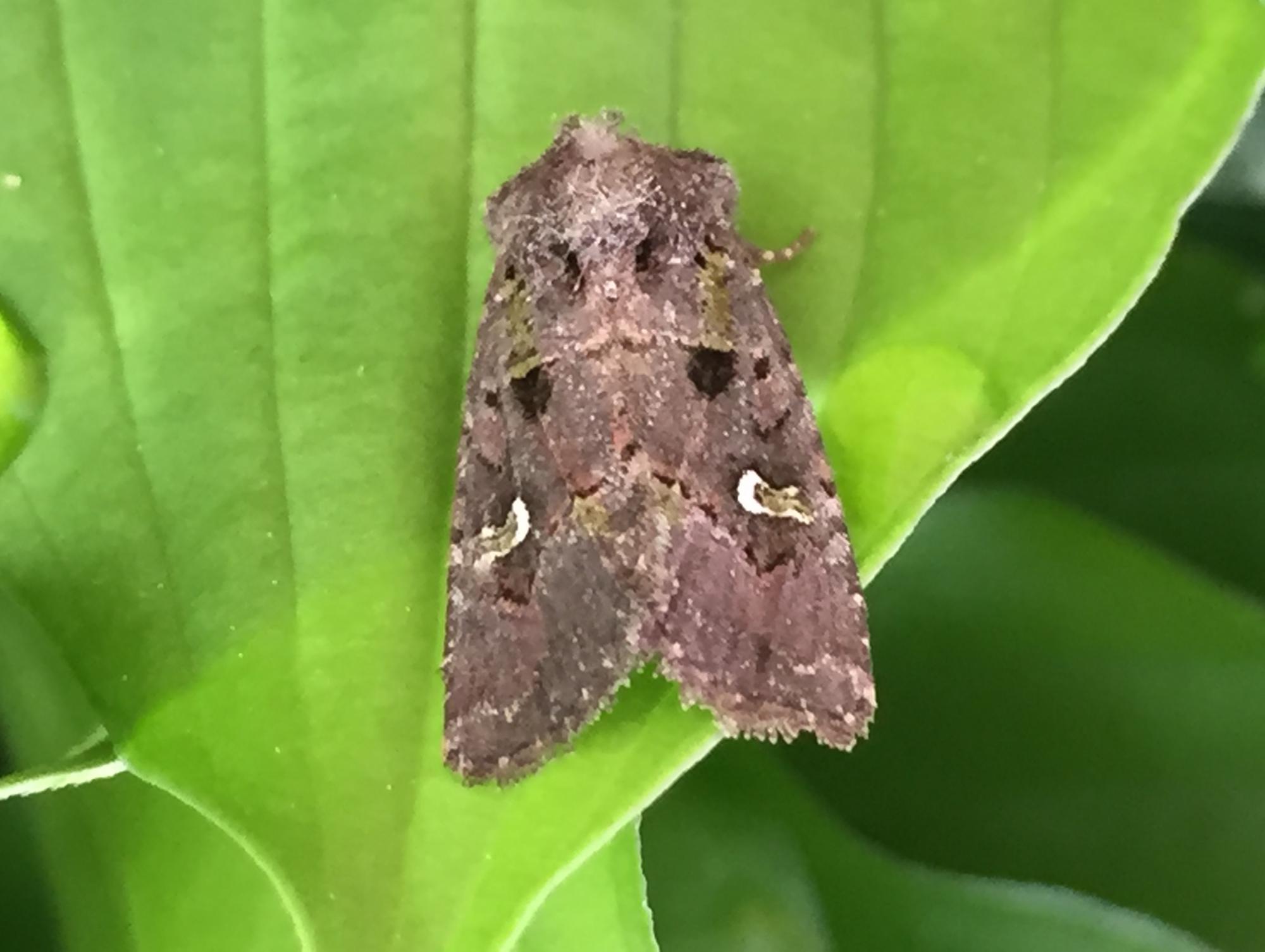
Obtuse Sedge Borer moth. This is another uncommon species across its range. I have found three individuals at my lights (October 4, 2023, August 1, 2024, and September 25, 2025). All three moths were rather worn and not in great condition, but the pattern is fairly distinctive.

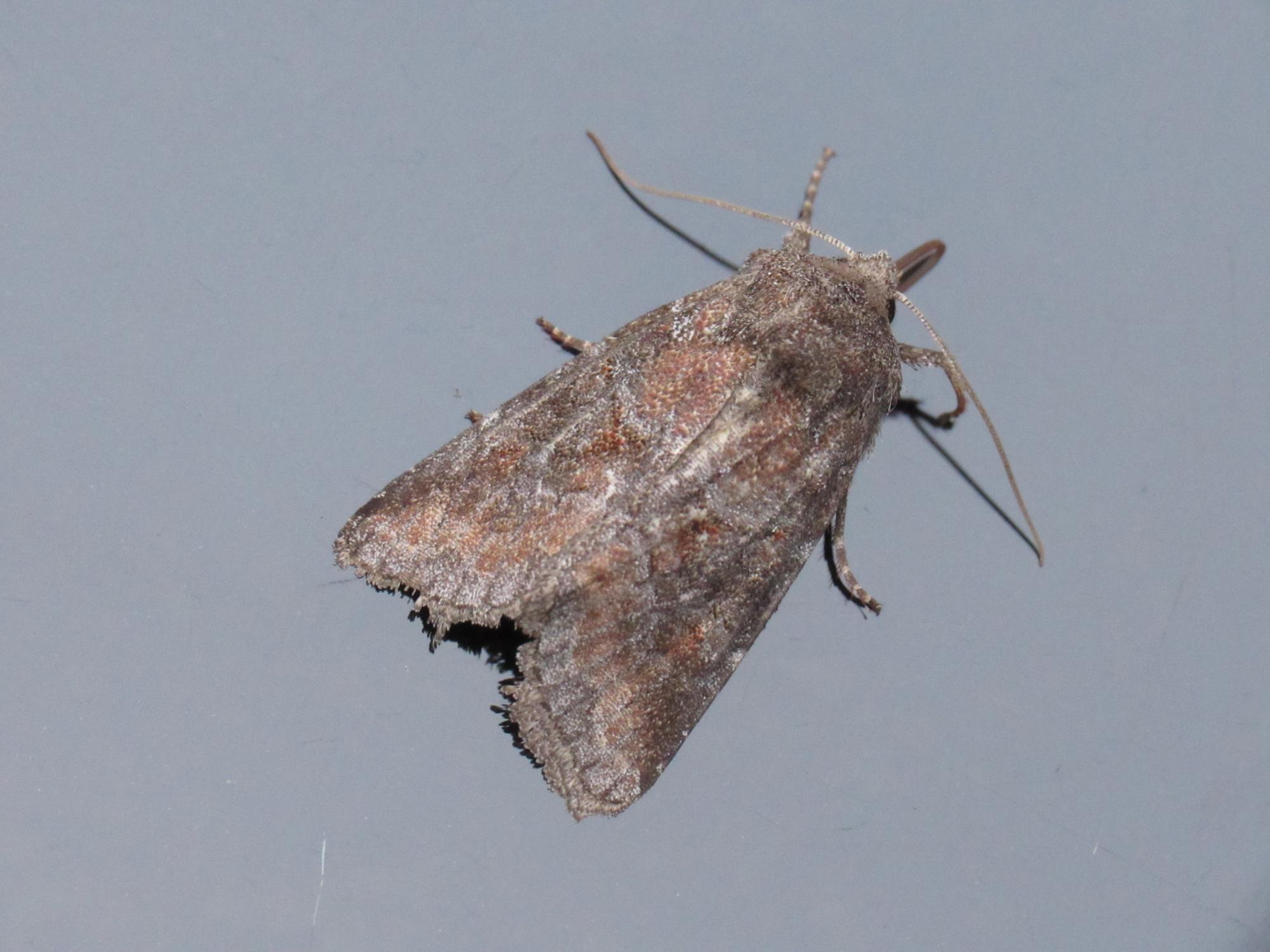
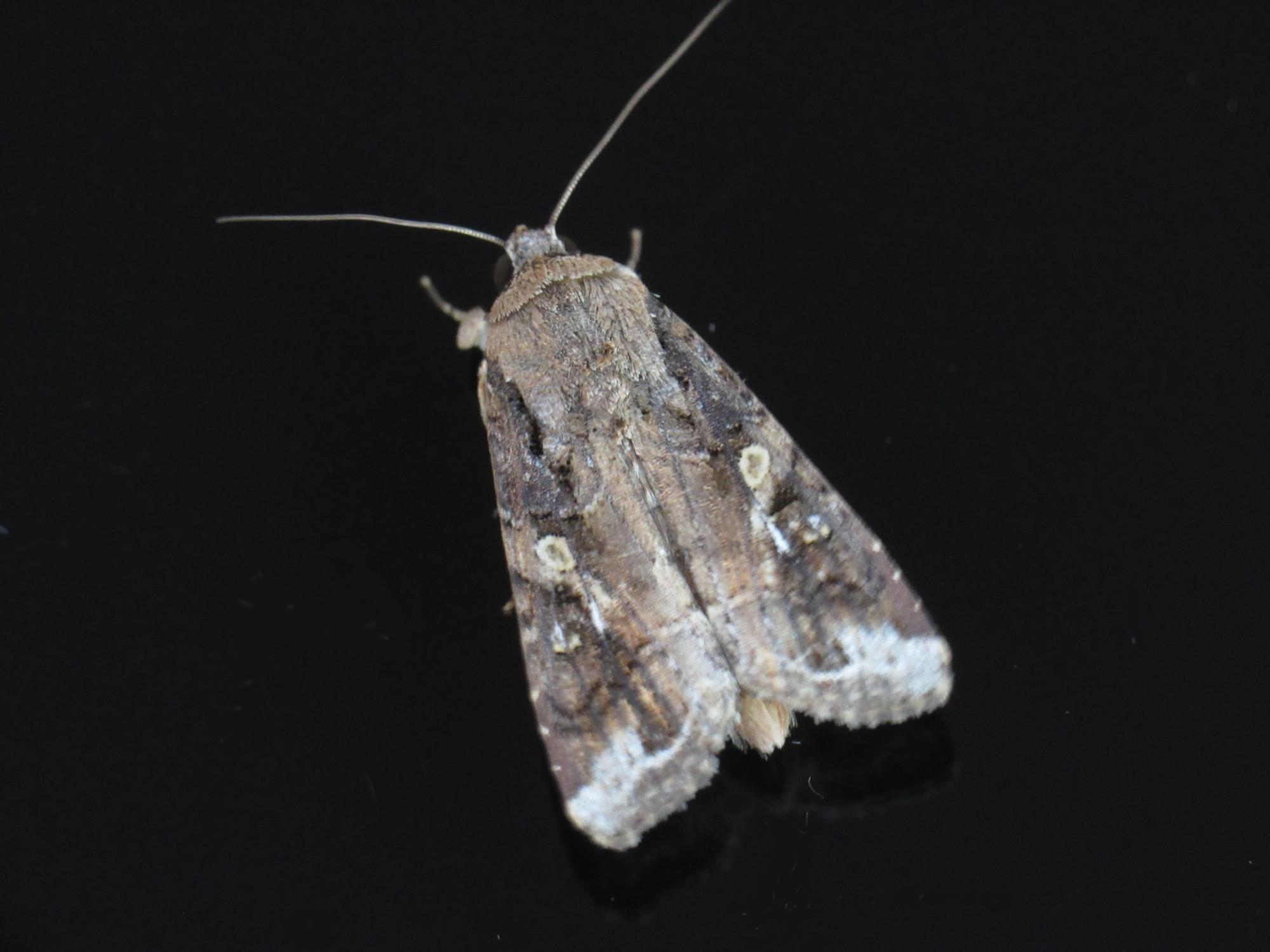

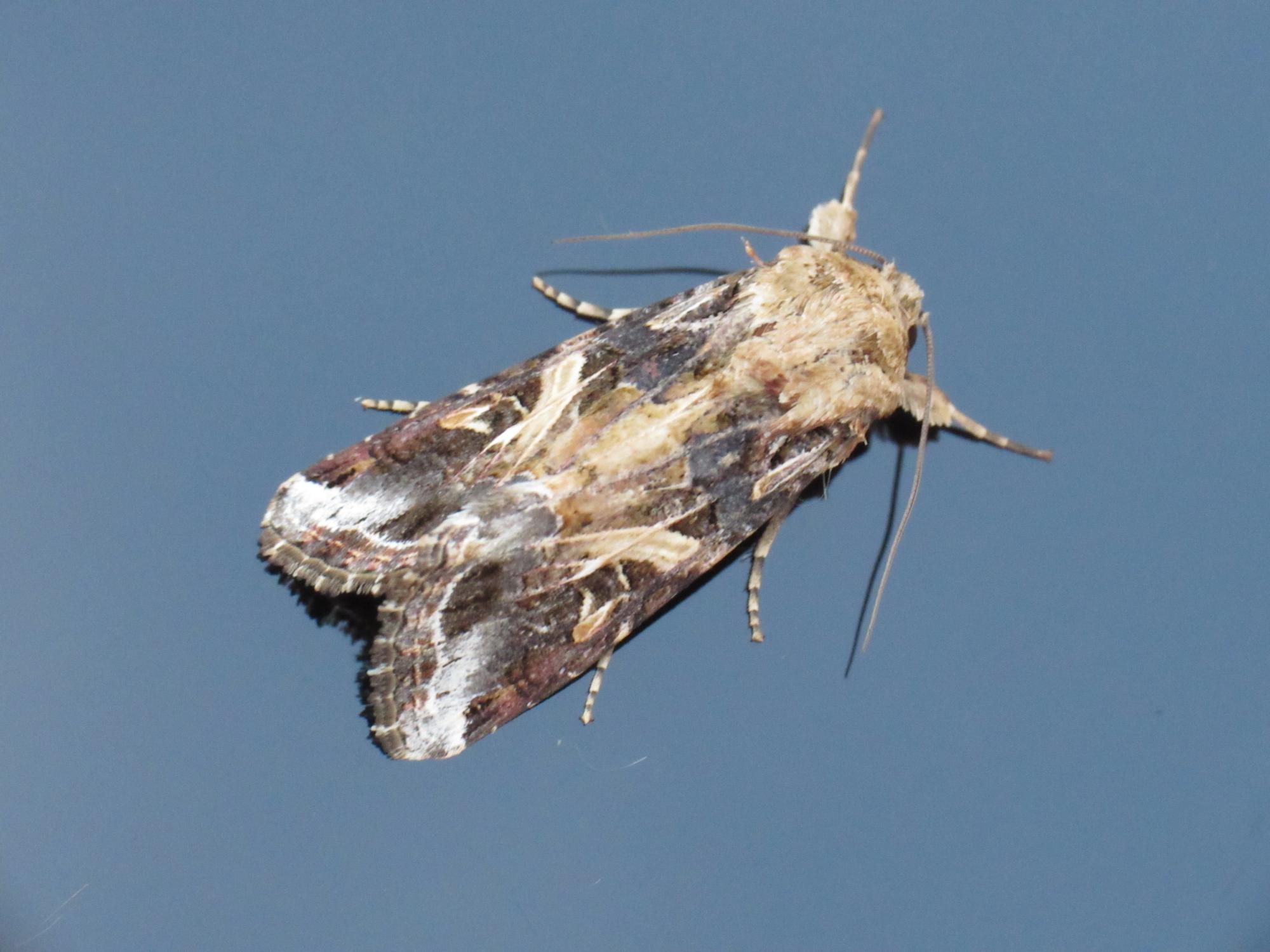
The Thinker Moth. These moths are variable in pattern, but many of them are washed-out and pinkish-gray, like this individual.
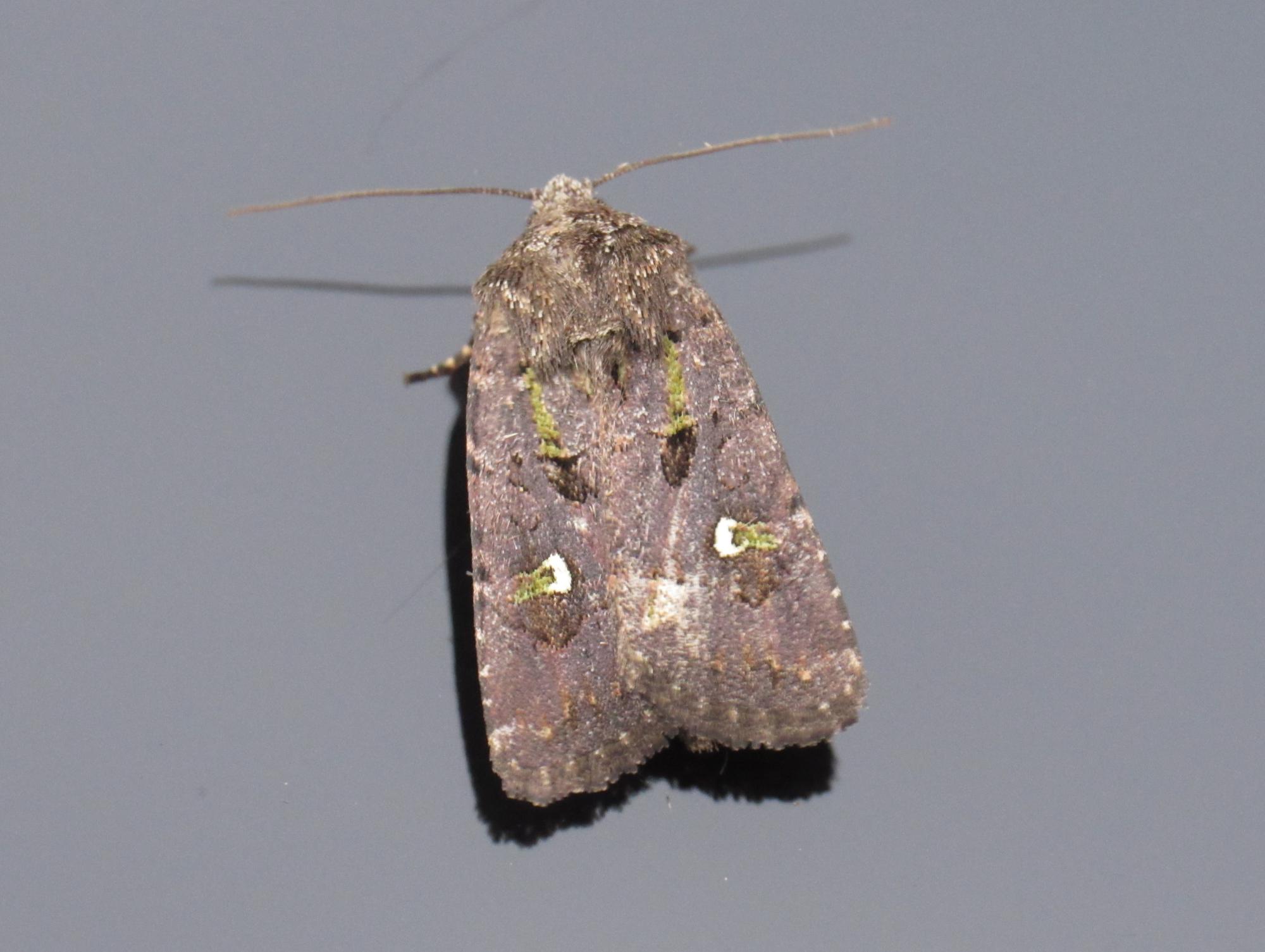
This moth is a Yellow-spotted Brocade (Oligia chlorostigma). Despite the name, the spots look greenish rather than yellow to me. I have found a couple of individuals at my lights in June and early July. Apparently, this species is somewhat uncommon.
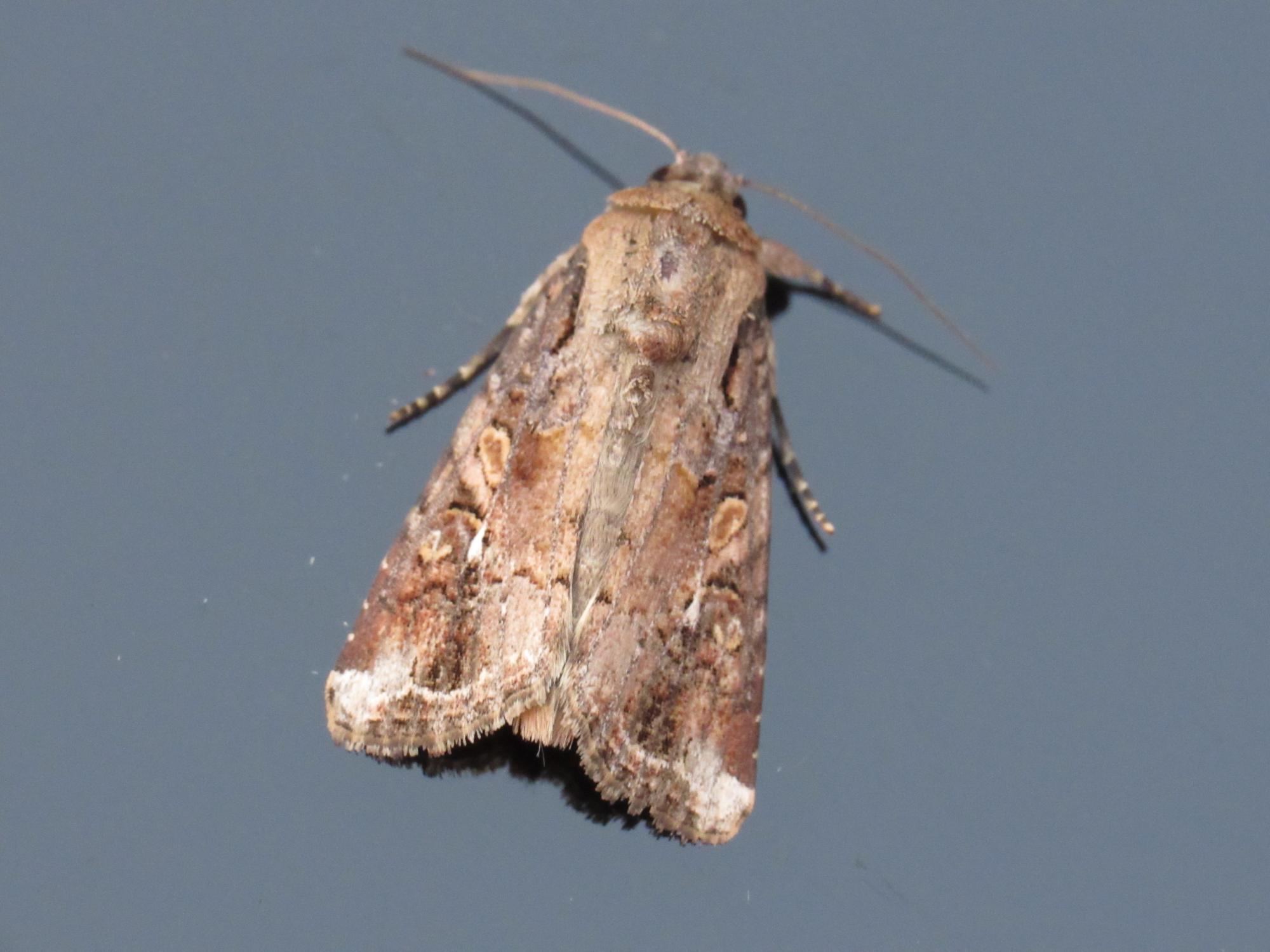
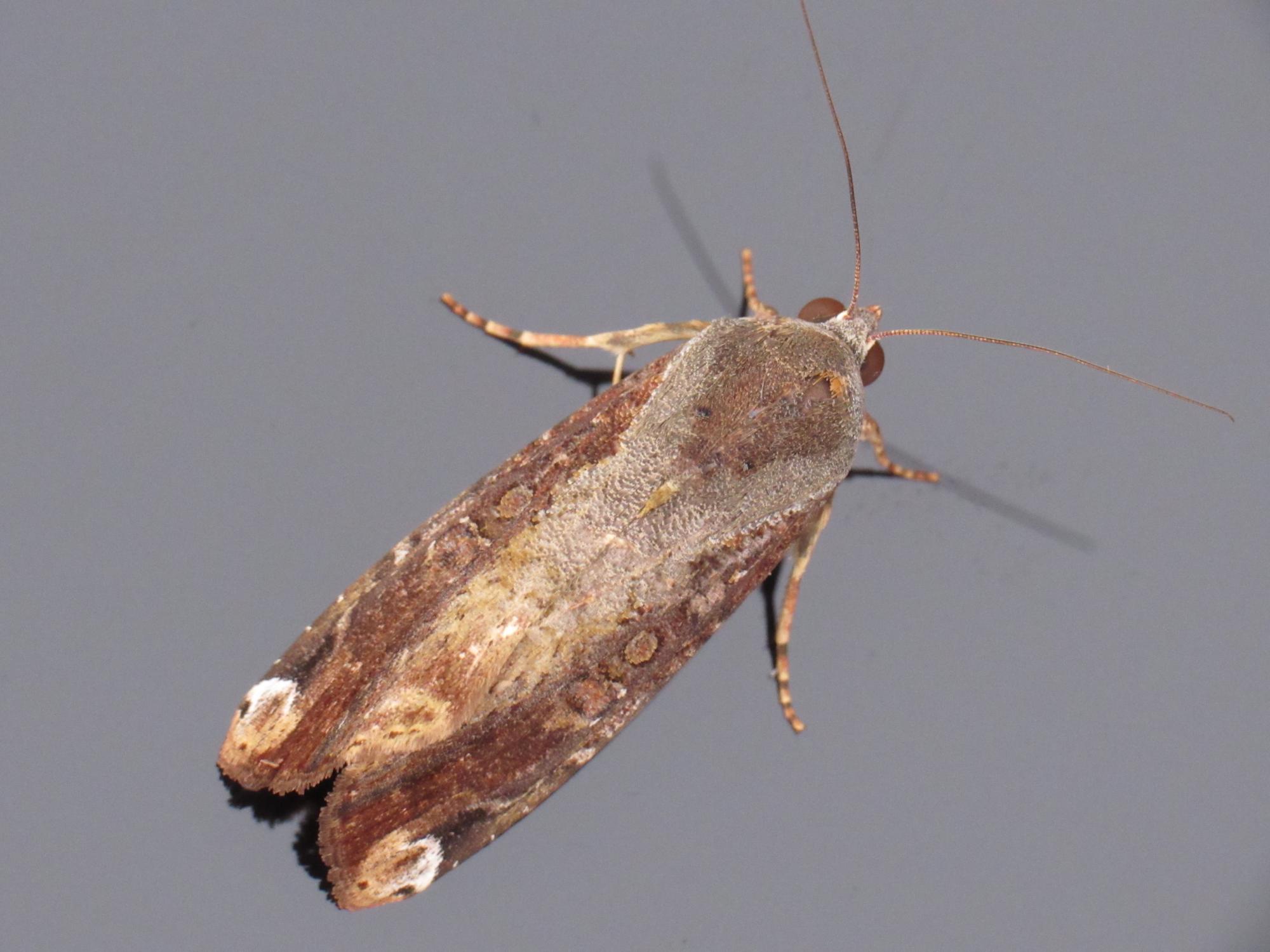
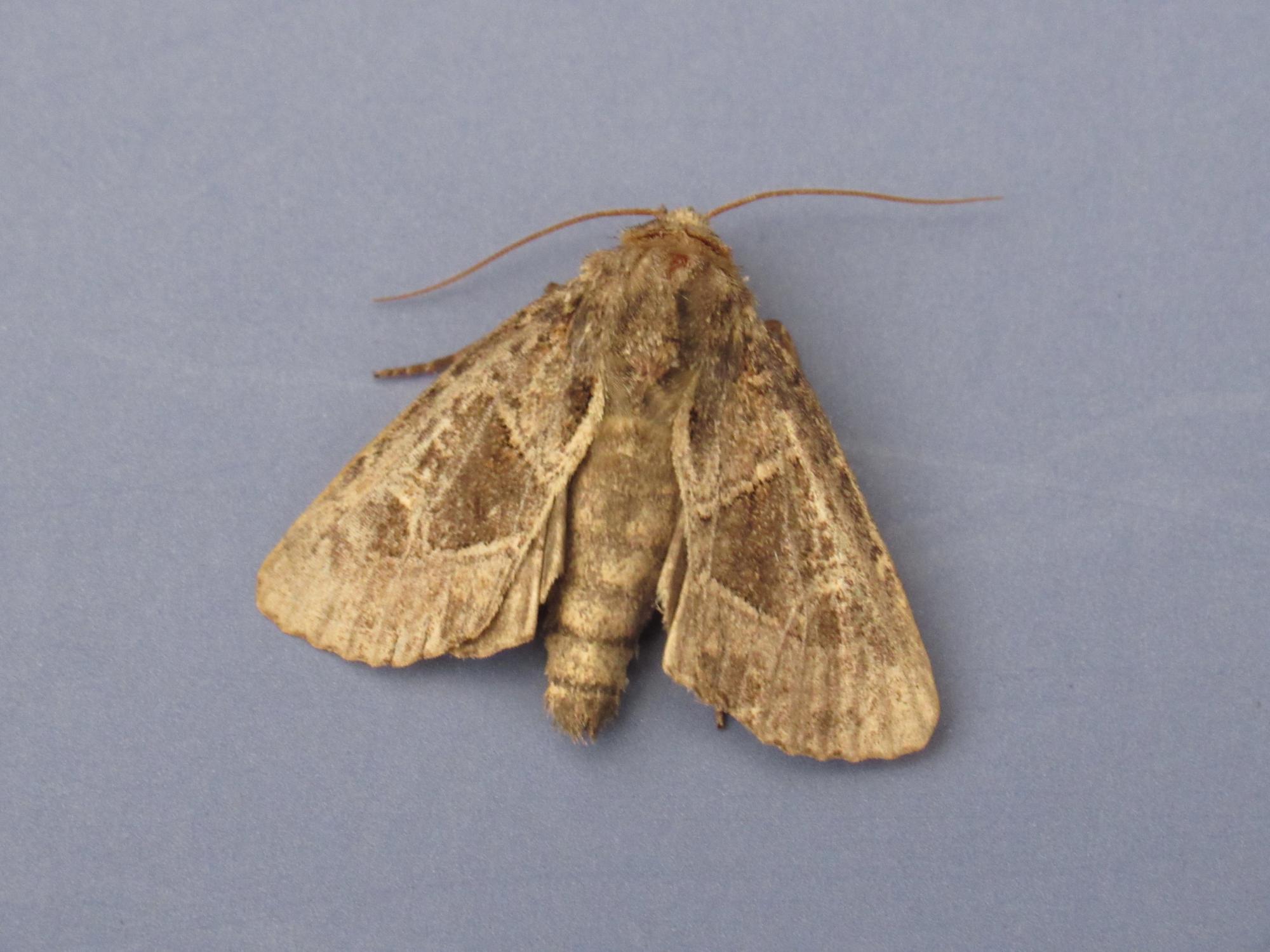
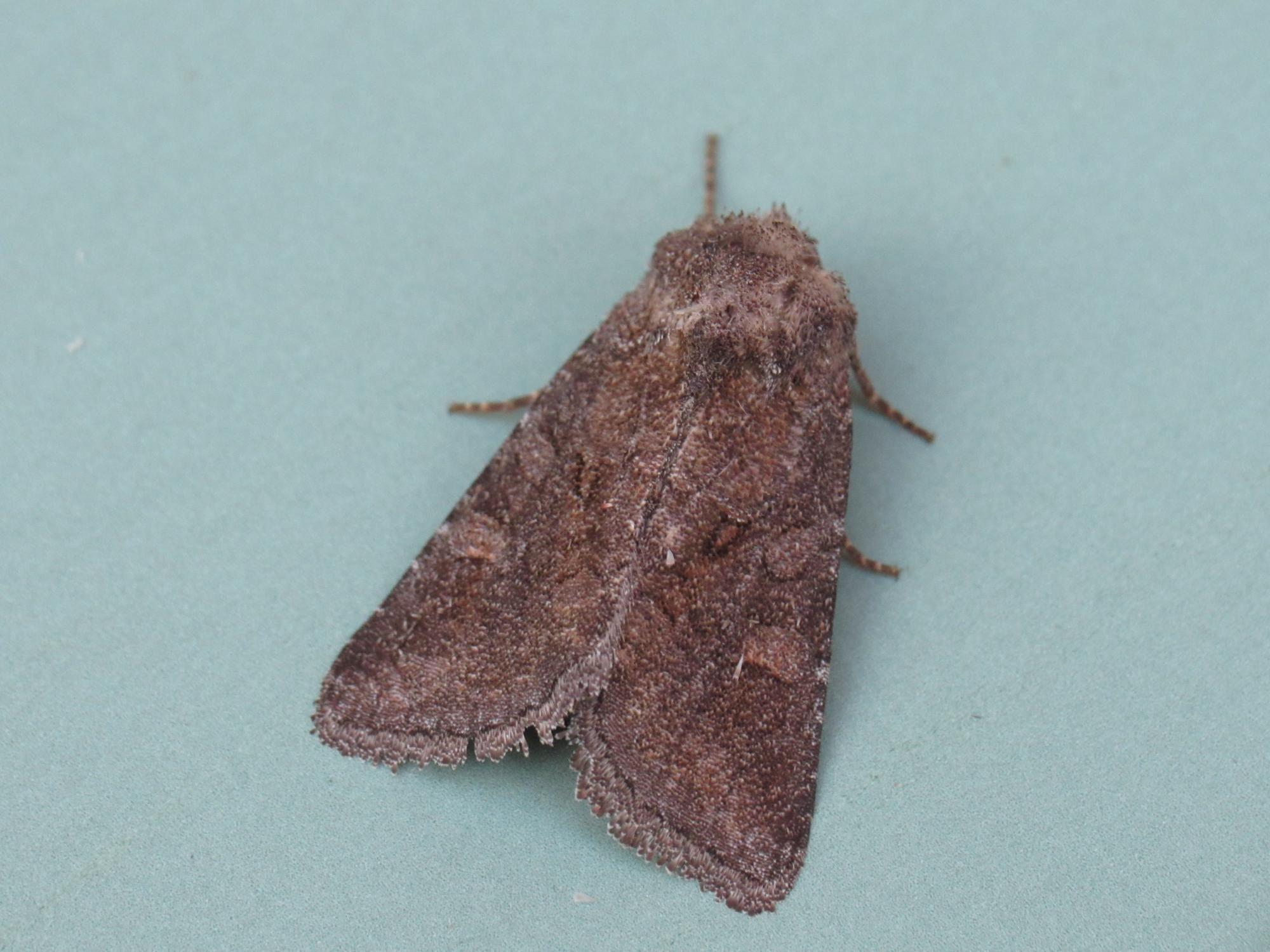
This is another Thinker Moth. I have found a few individuals at my lights in September.
Another Obtuse Sedge Borer moth, found at my UV lights.