SPHINX MOTHS GROUP #3: wALNUT, Abbott's, LETTERED, Obscure, ASH, AND lAUREL sphinx
Walnut Sphinx moth, attracted with UV lights, July 19, 2016. This species is rather small for a sphinx moth.
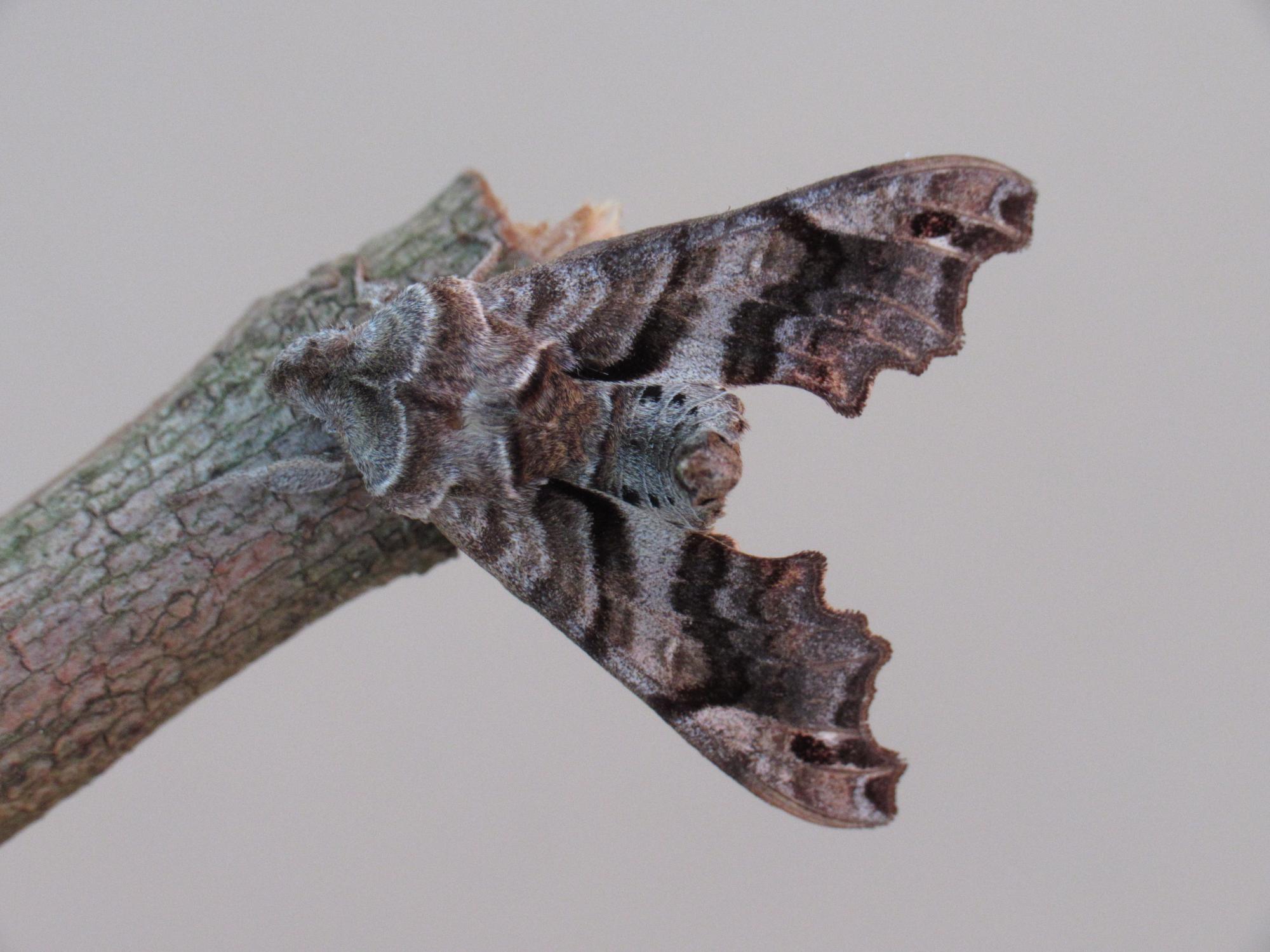
Lettered Sphinx moth. This species flies earlier in the year than most sphinx moths.
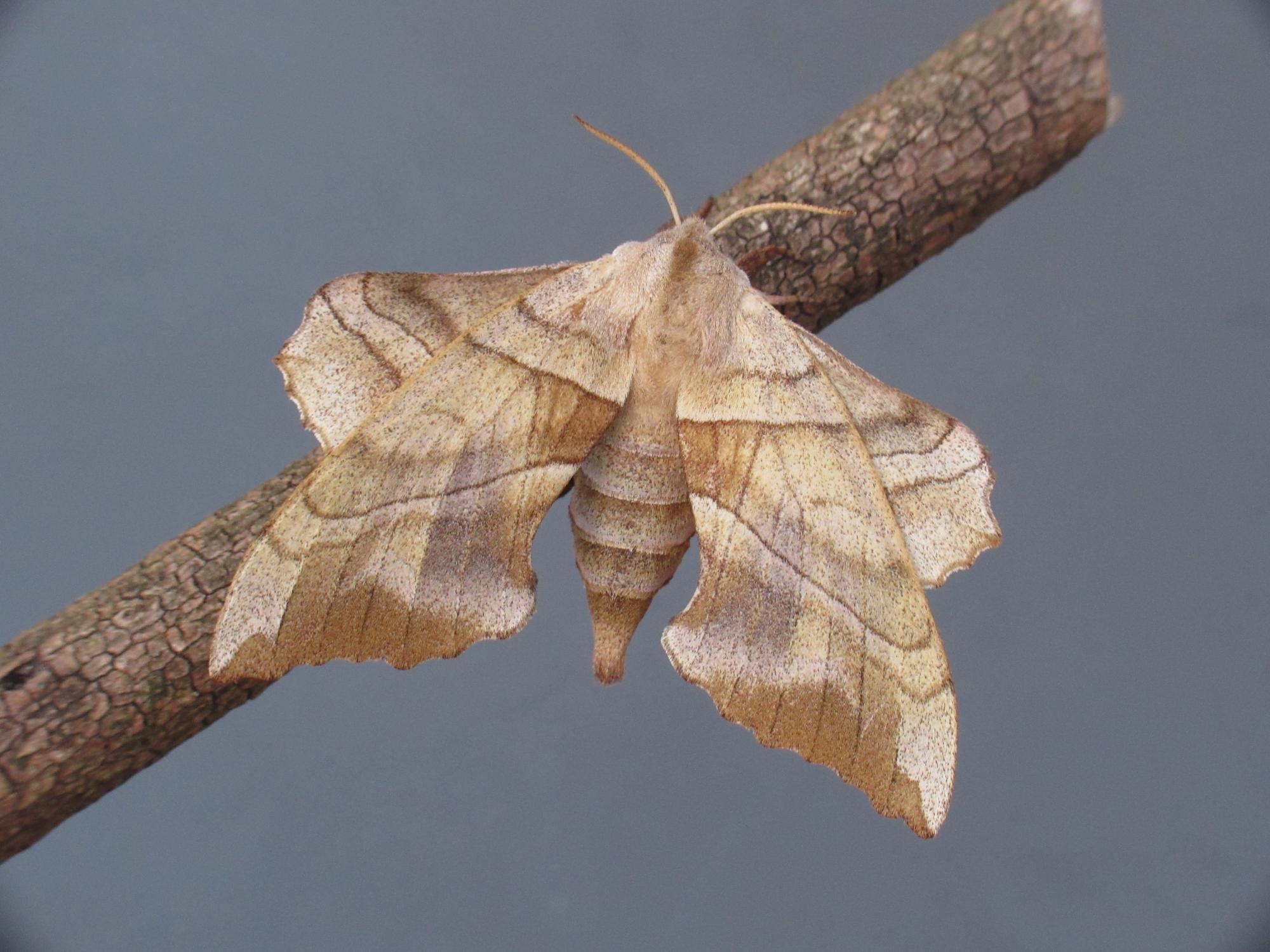
Laurel Sphinx, also known as the Fawn Sphinx. I have only two sightings at my home lights - this one on July 2, 2019, and another on August 16, 2014. Caterpillars feed on ash, lilac, and a few other related plants.
Ash Sphinx, attracted to UV light on June 14, 2016. The dark vertical streaks are a distinctive feature. This is my only sighting of the species.
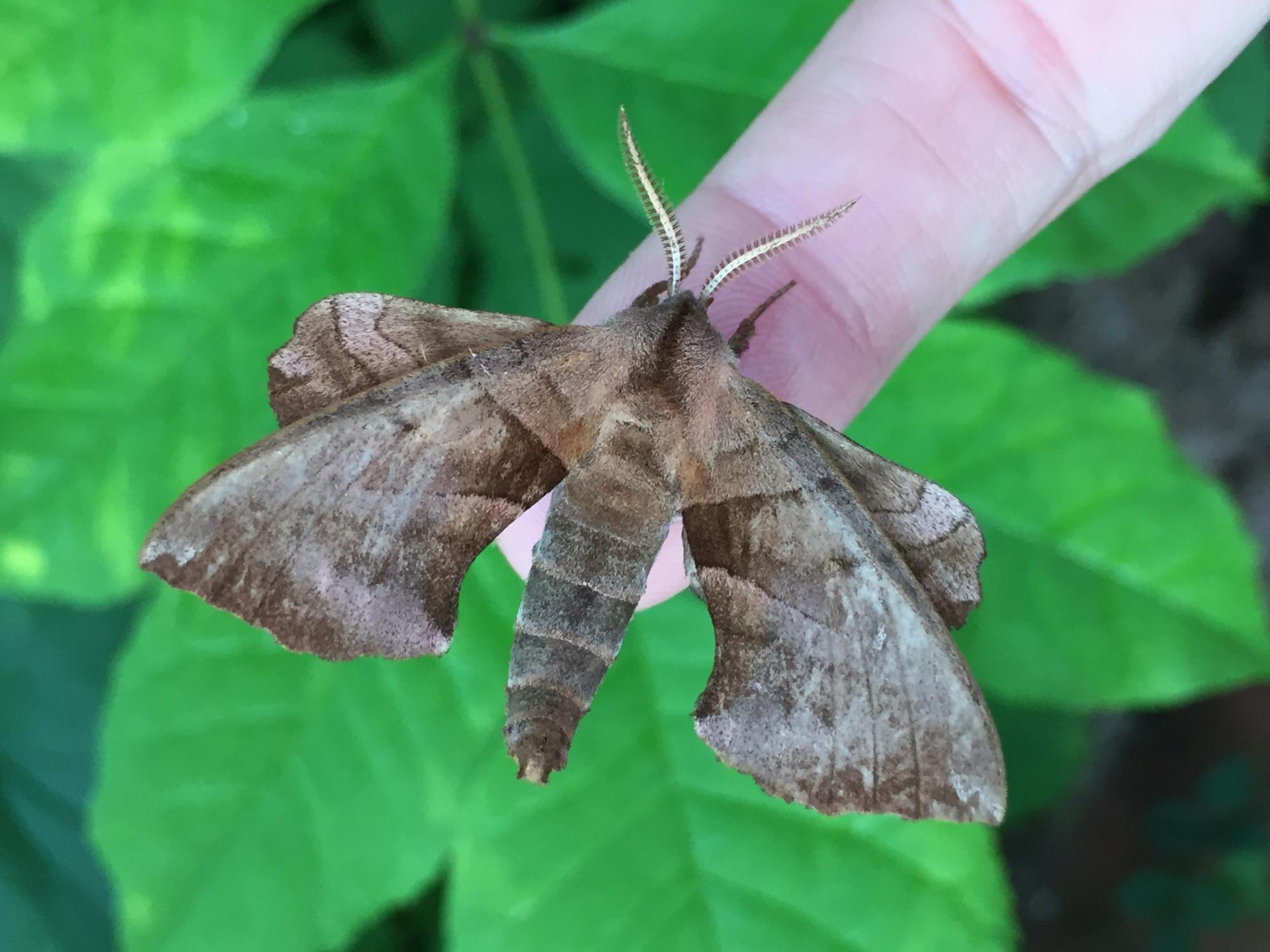

Lettered Sphinx moths usually hold their abdomens curved upward.
A mated pair of Walnut Sphinx moths, photographed at Spring Lakes Park in Bellbrook.
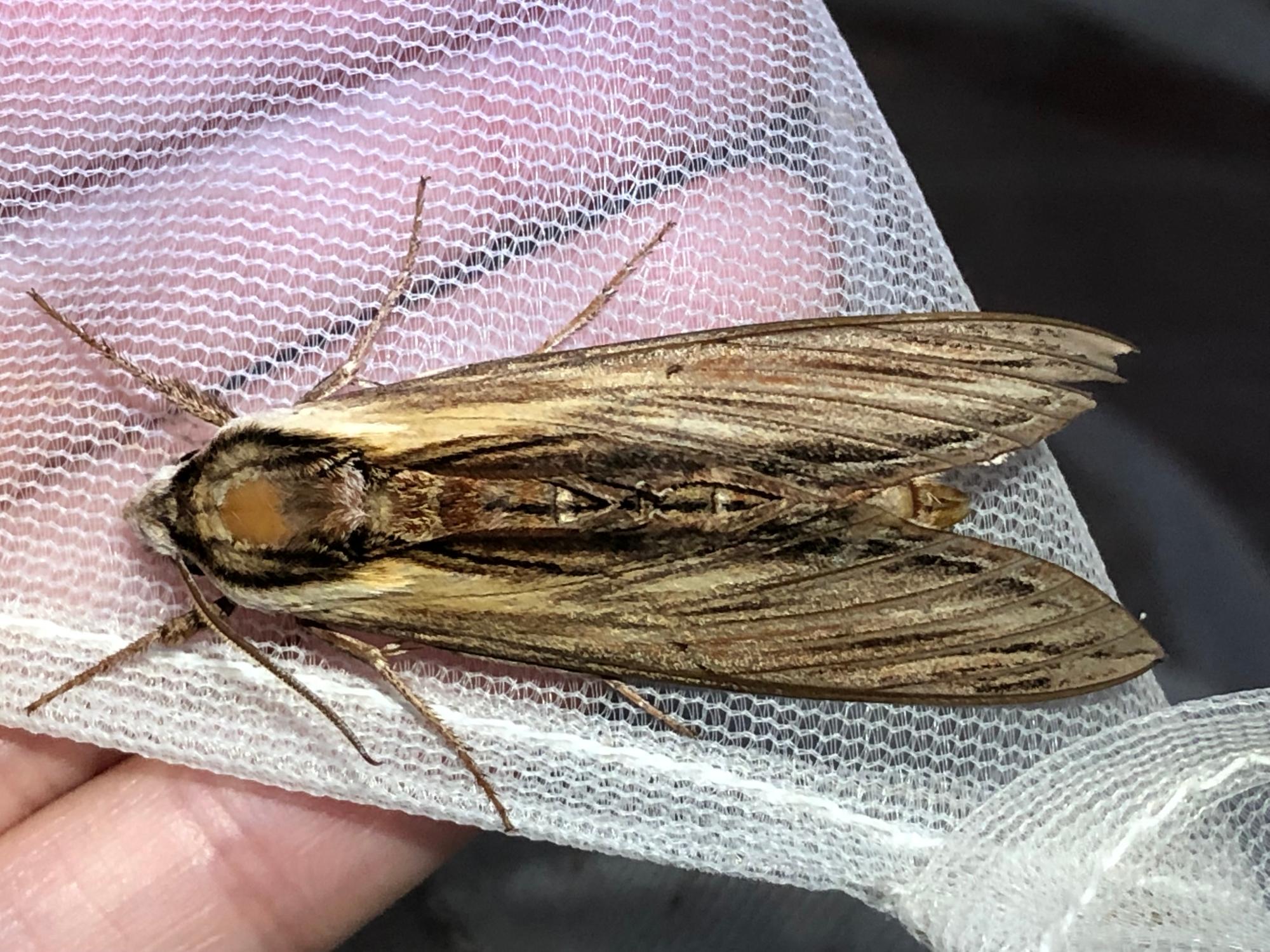
This Laurel Sphinx moth was found in Michigan.
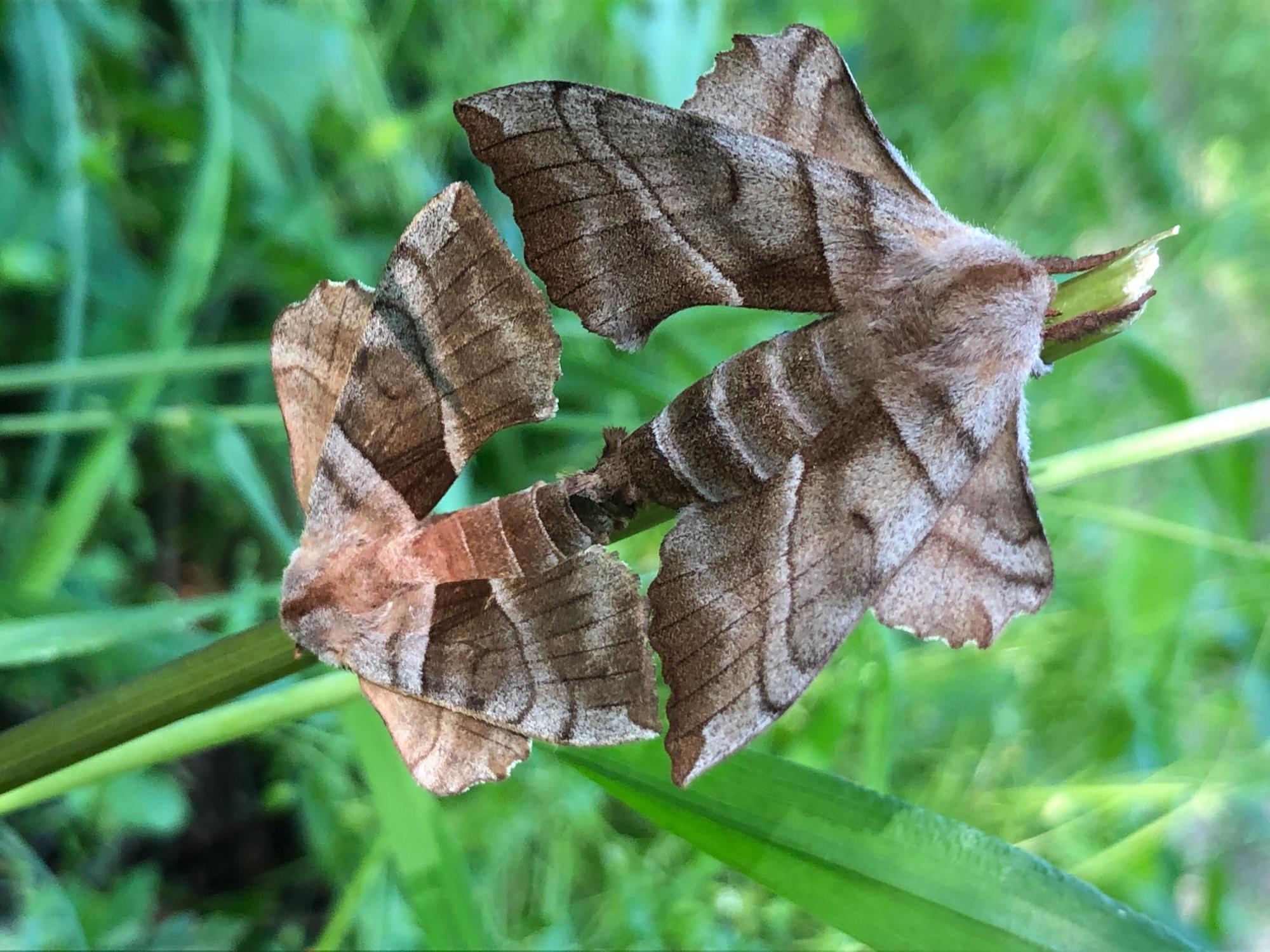
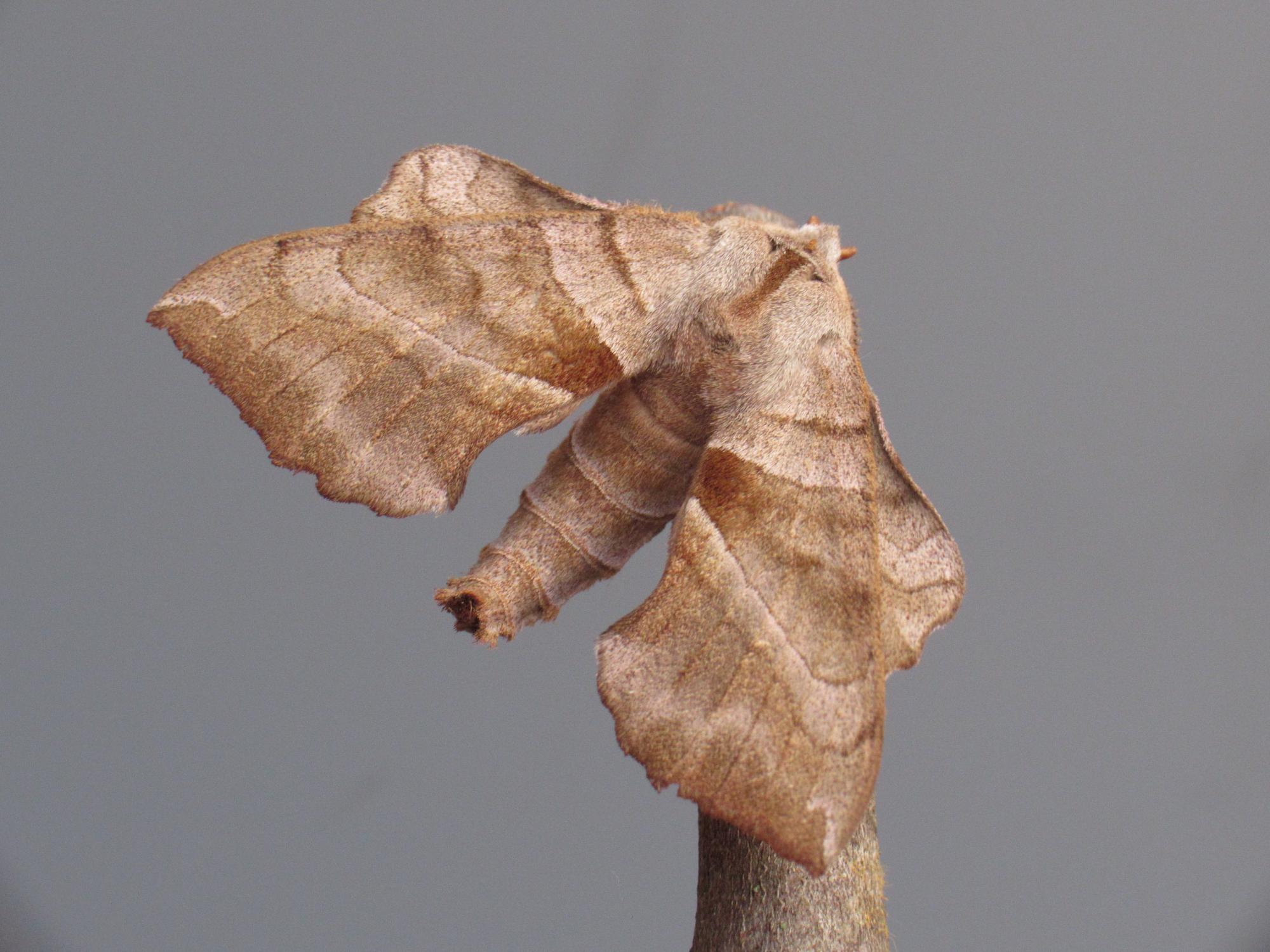
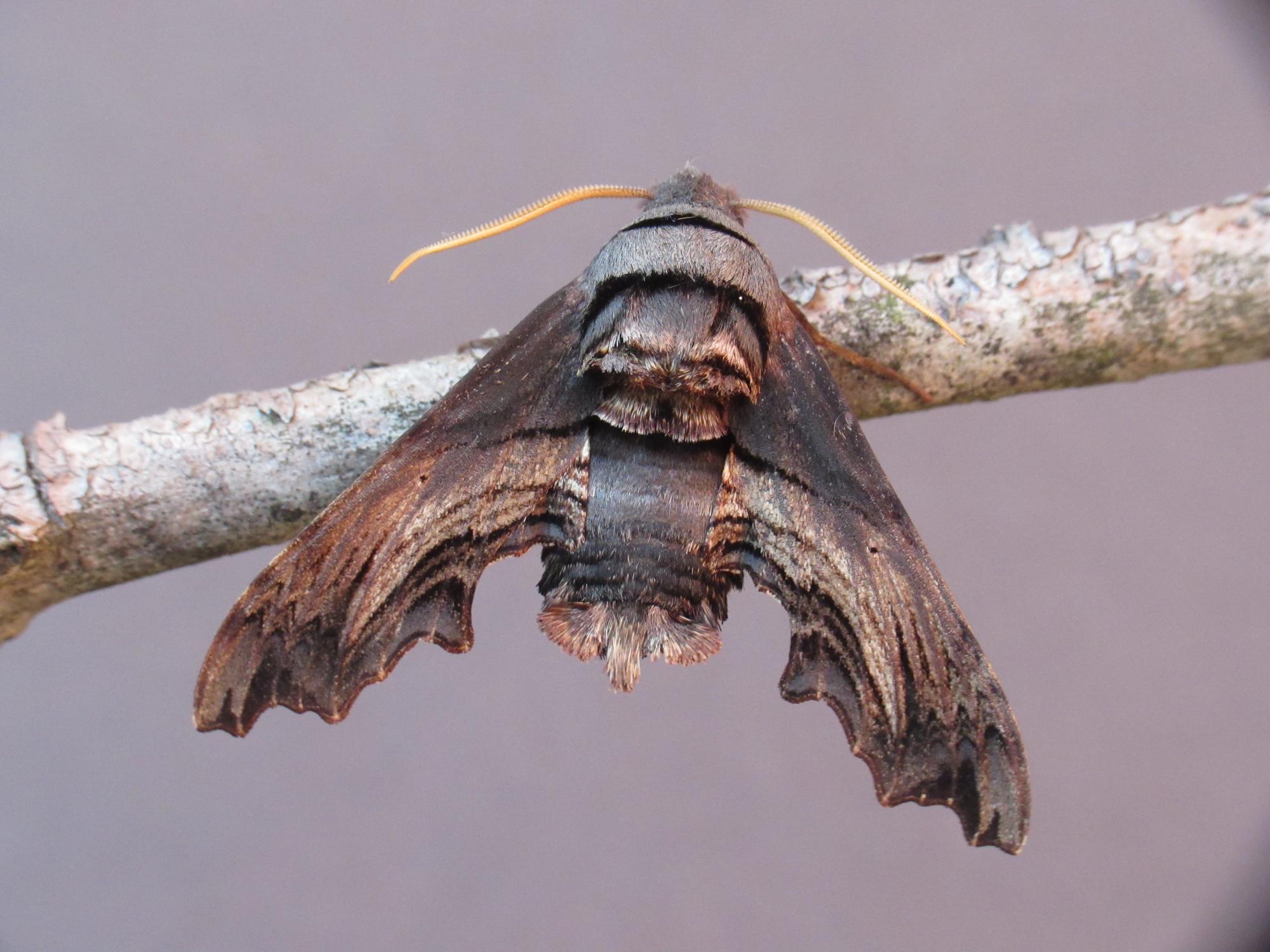
Another Walnut Sphinx. Several of these moths have visited my UV lights.
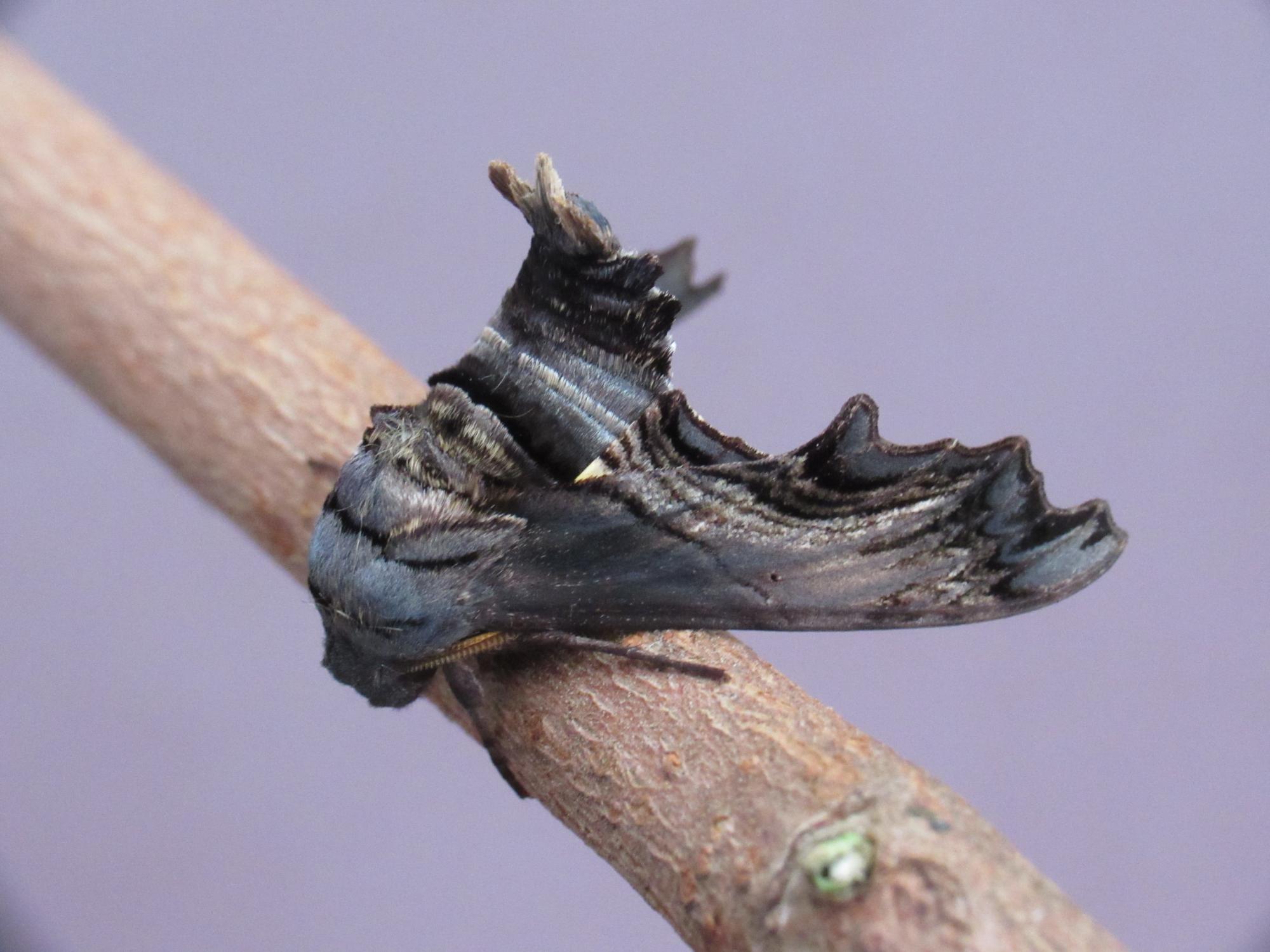
This Abbott's Sphinx is a very unusual-looking moth. The abdomen looks too short for the wings, but that is normal for this species.
I find Walnut Sphinx moths from May through early August.

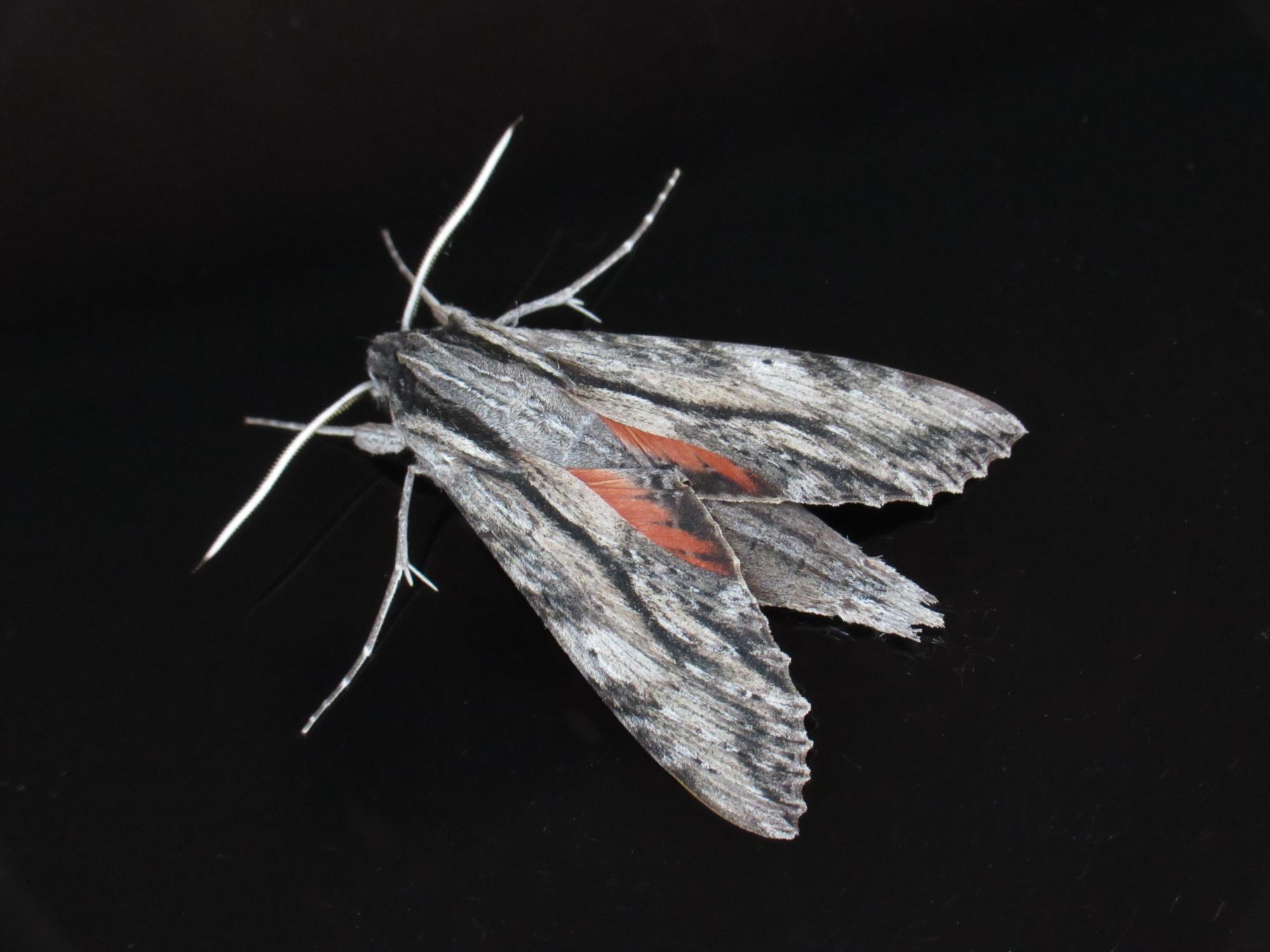
Obscure Sphinx, attracted to UV light on September 23, 2024. These are southern moths and rare strays to Ohio. This was a pretty good find this far north. This individual is the only one I have ever seen. Note the orange hindwings.
I have found Lettered Sphinx moths in April, May, and early June.
Abbott's Sphinx moths feed on wild grape and Virginia creeper.
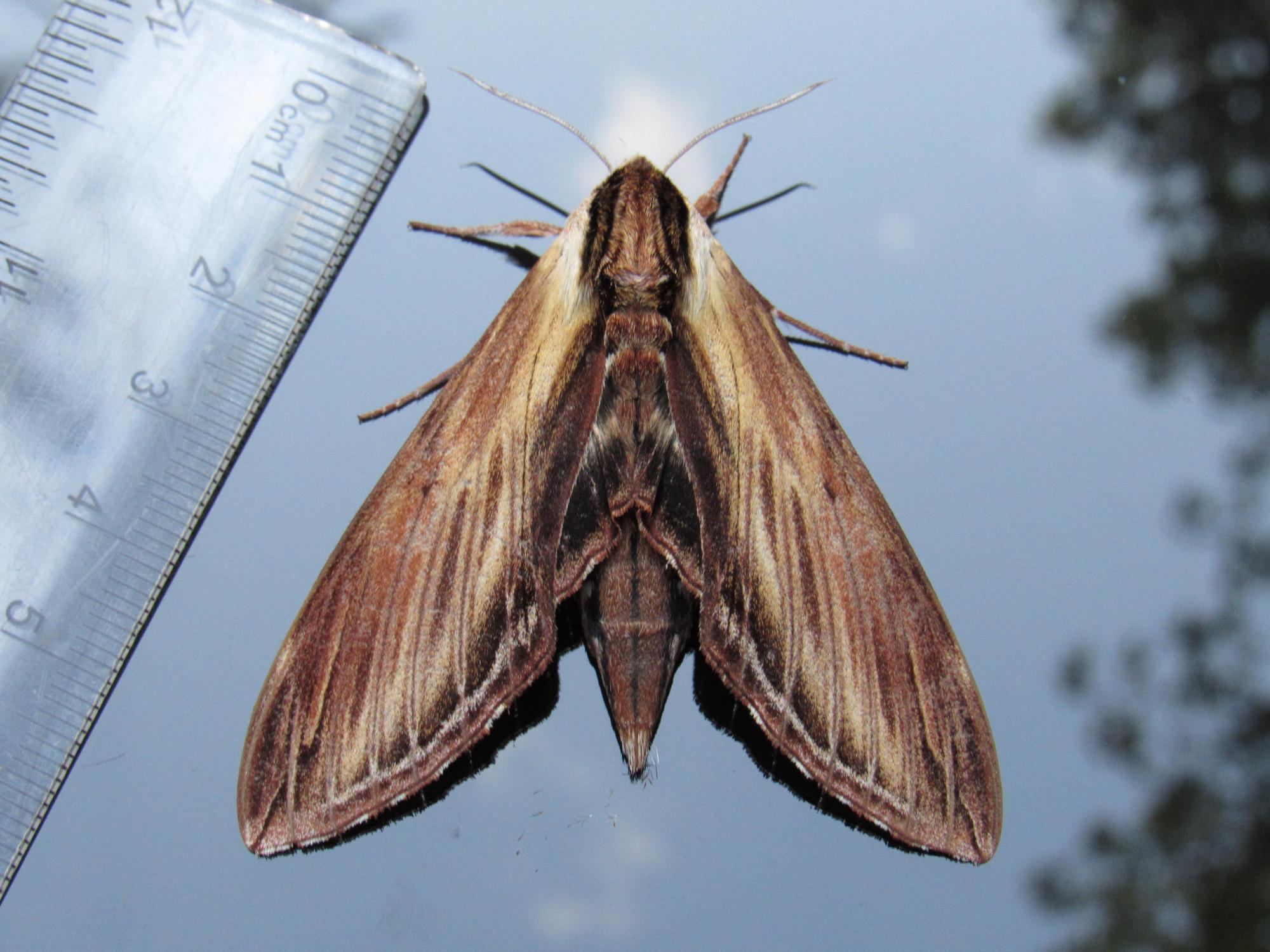
I have seen a couple of Abbott's Sphinx moths at my lights in late April and May.
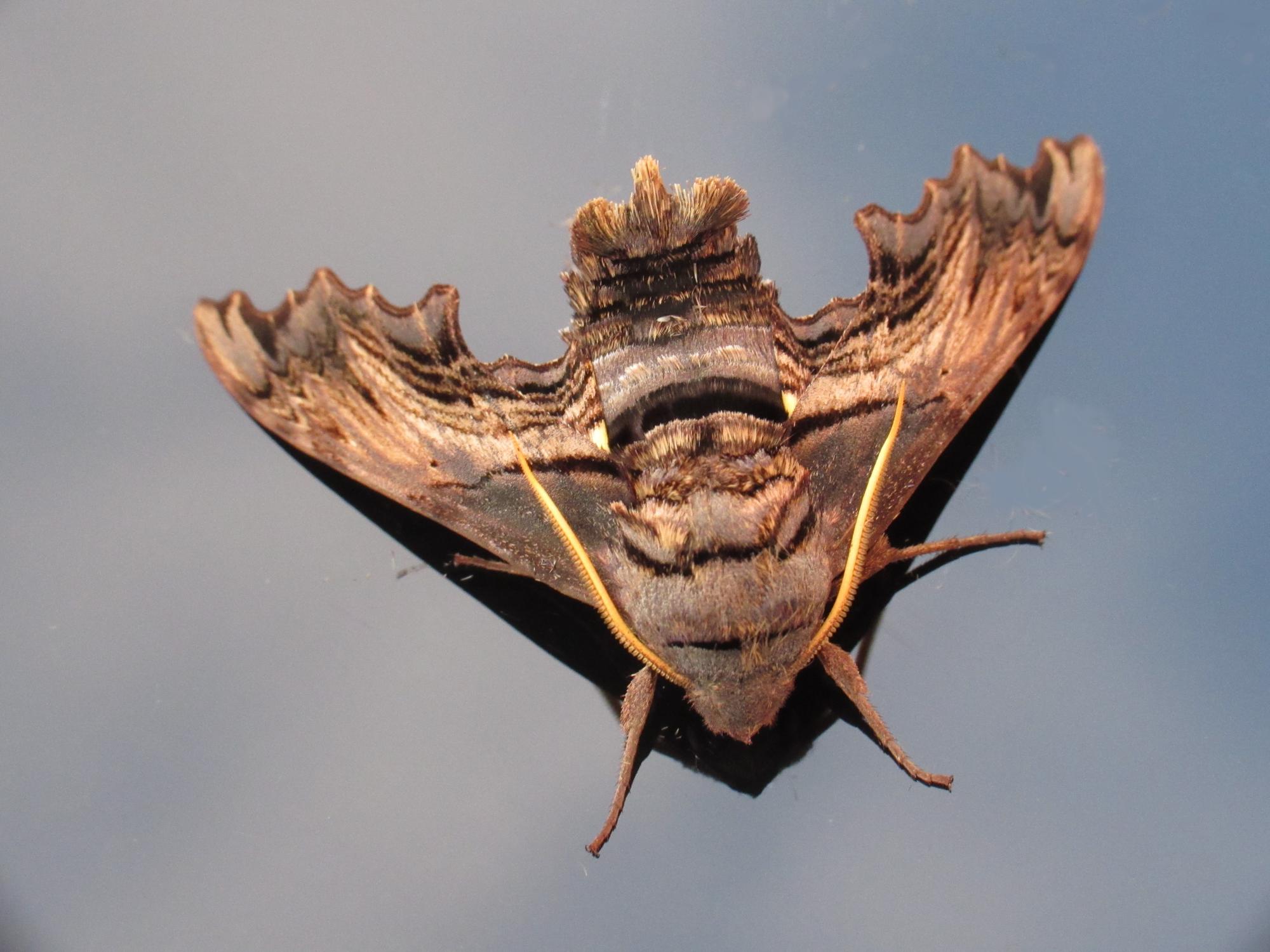
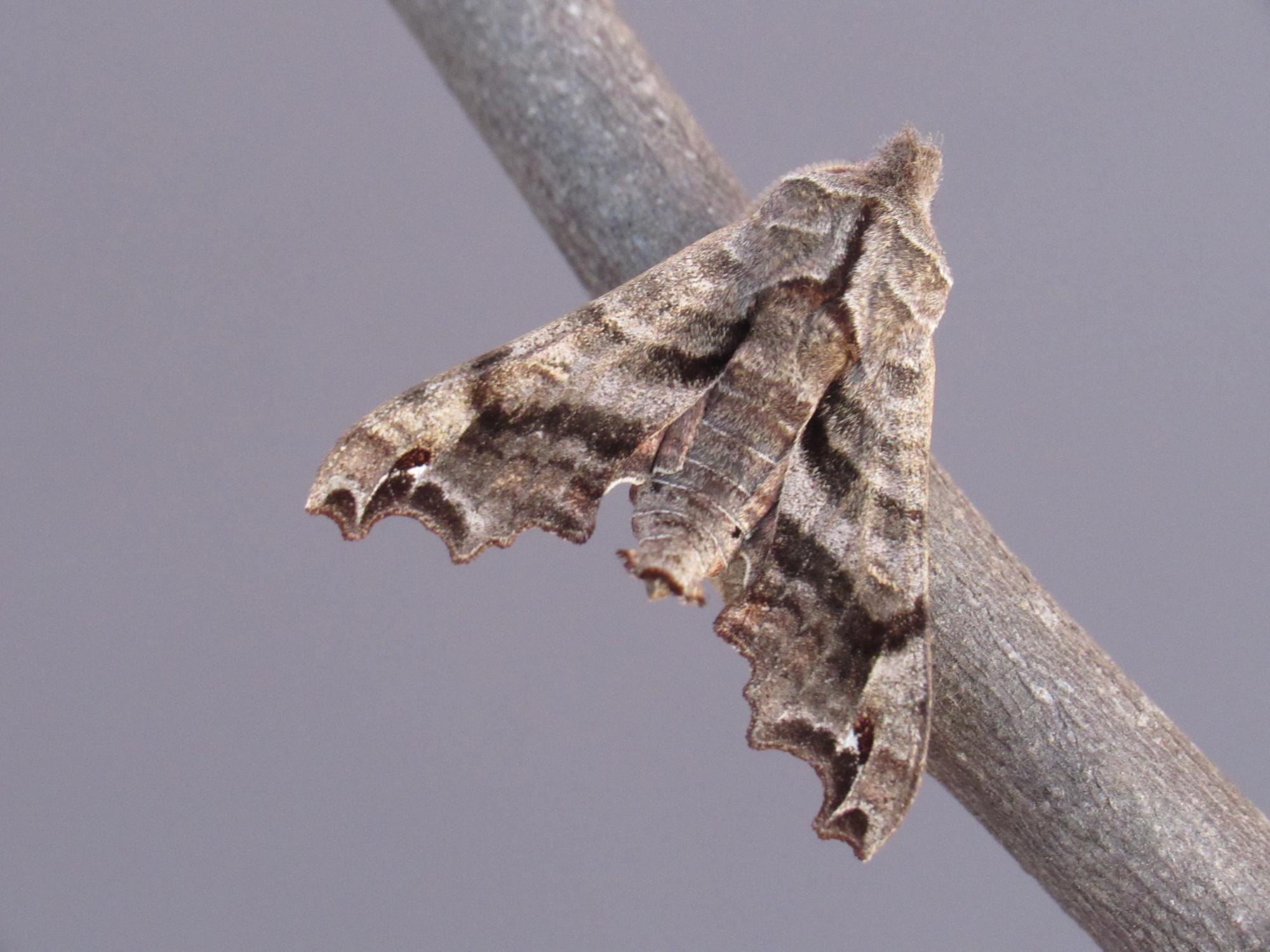
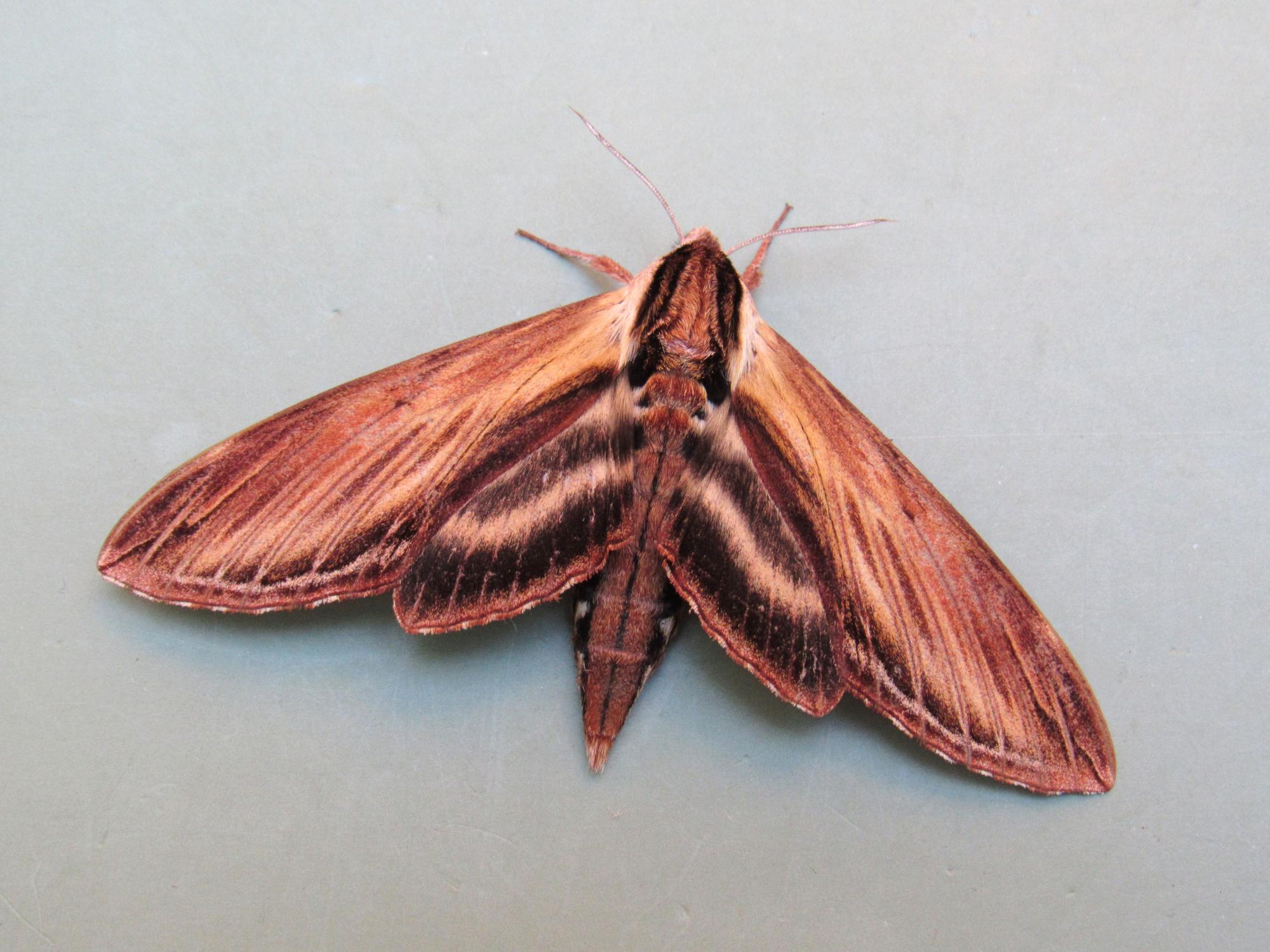
Another photograph of the Laurel Sphinx with its wings spread (same individual as above). Photographed in Michigan.