Straight-toothed Sallow complex, morrison's, THREE-SPOTTED, AND VARIABLE sallow
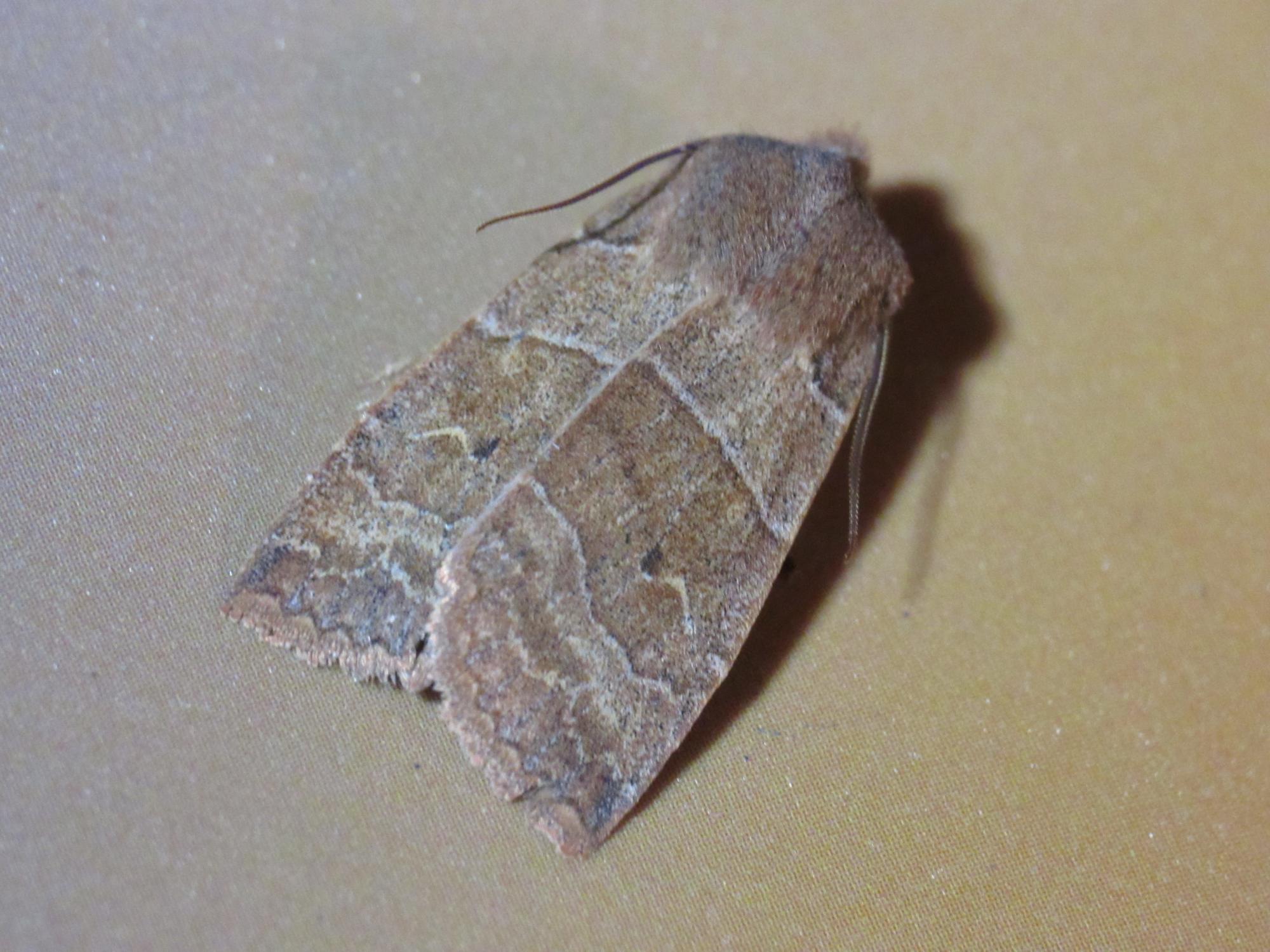
There are several similar species in the Eupsilia genus: Straight-toothed Sallow (E. vinulenta), Sidus Sallow (E. sidus), Franclemont's Sallow (E. cirripalea), and E. schweitzeri. The moth at left is one of these four species. These species are difficult, if not impossible, to distinguish from photos. I am unclear as to whether the latter three species are found in our area. For ease of reference, I will refer to this group as the Straight-toothed Sallow Complex. (Personally, I am of the opinion that very close look-alikes such as this group should be treated as subspecies rather than full species, but that is just my unscientific opinion!)
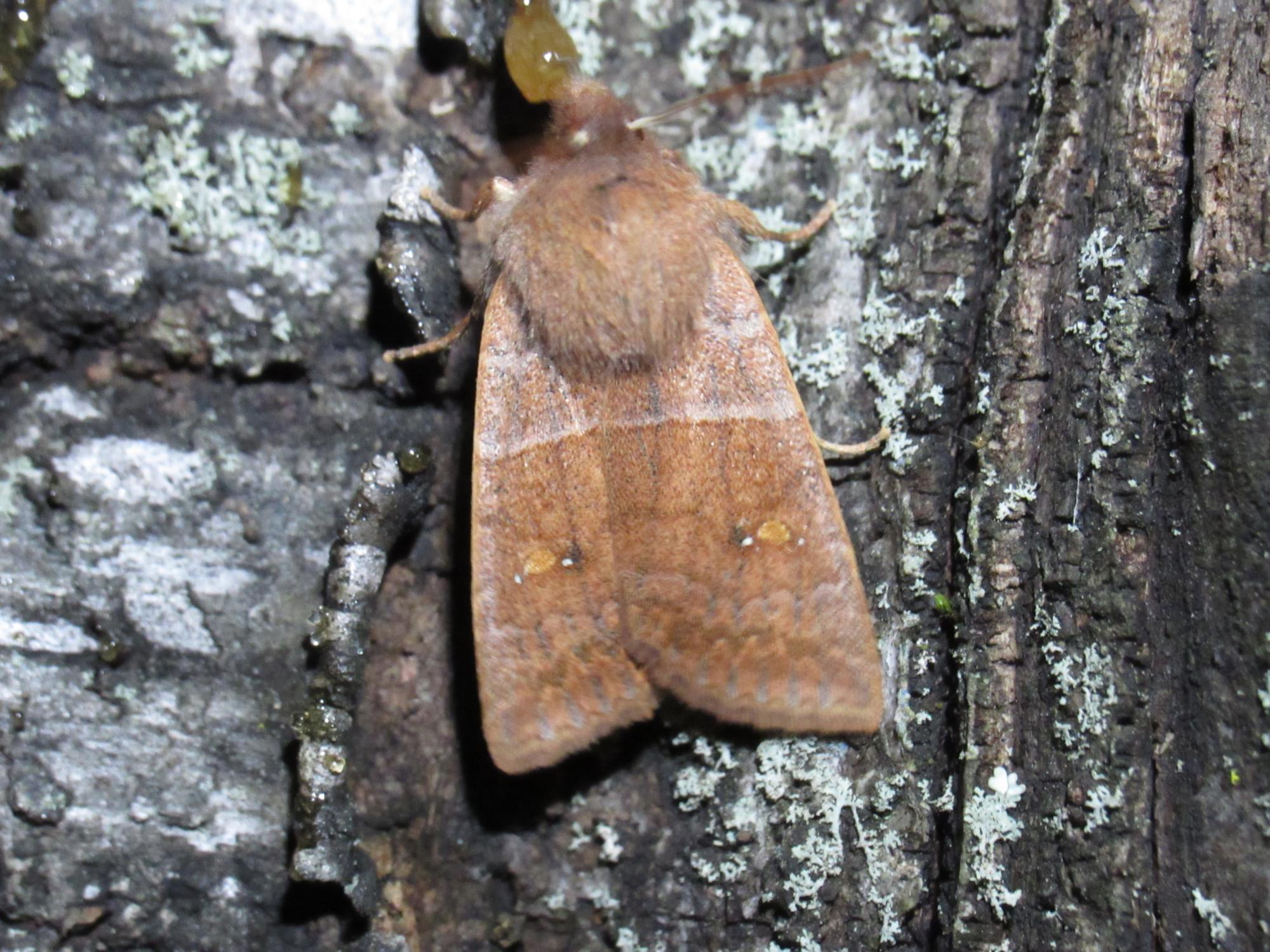
A member of the Straight-toothed Sallow Complex, feeding at a baited tree. Many early spring moths can be attracted with homemade moth bait. (Recipes vary, but fermented brown sugar mixed with rotting bananas usually does the trick.)
Morrison's Sallow. You can find this species from late fall through early spring, and on warm winter days. They hibernate through the winter and emerge with any slight warm up. My personal early date is February 7th.
Another member of the Straight-toothed Sallow Complex. These are some of the most common moths at my moth bait. They have two forms: one with orange spots and another with white spots. The individual at left is the white-spotted form.

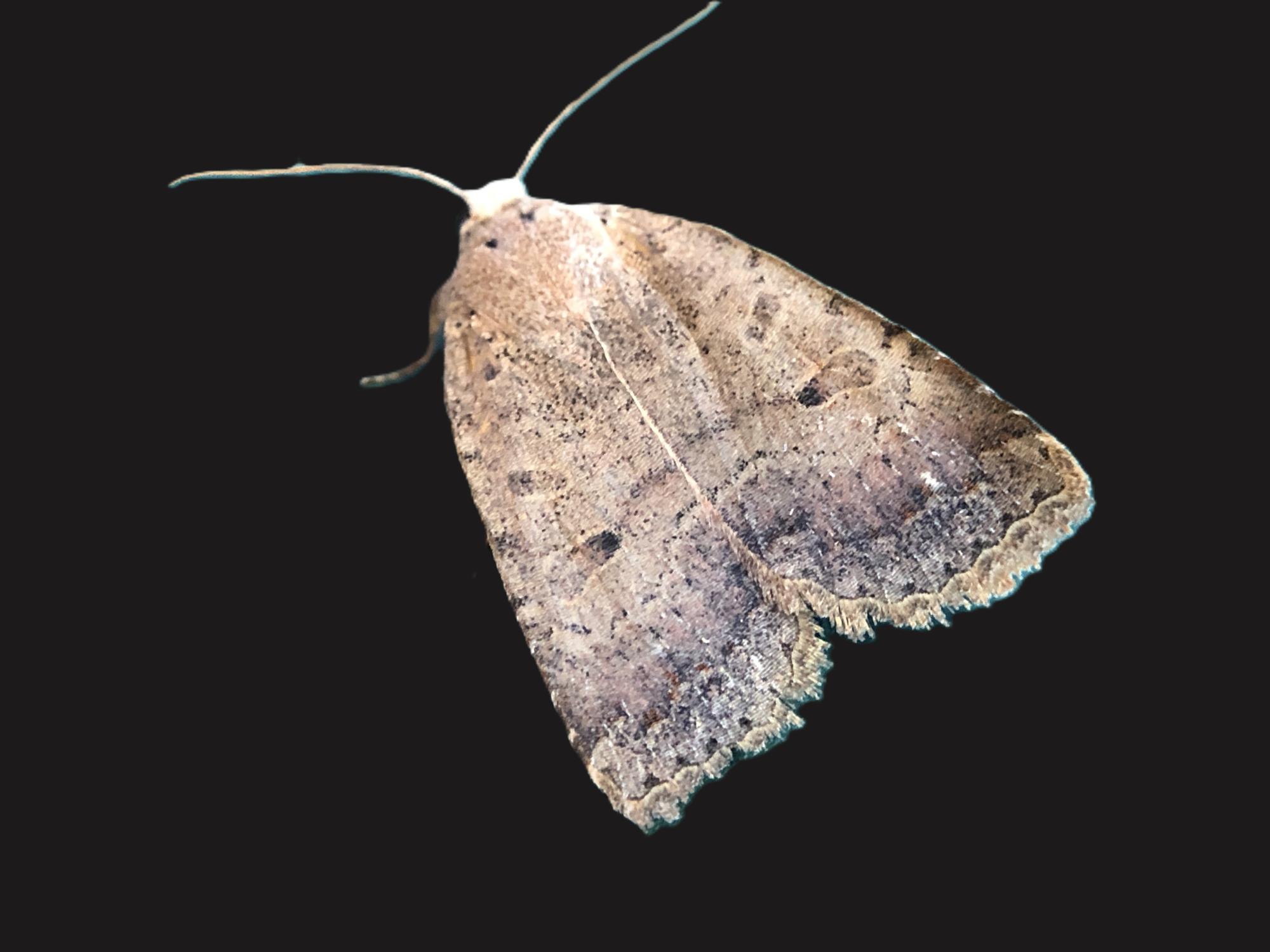
I found this fresh Morrison's Sallow on October 15, 2017. He had a long winter of hibernation ahead of him.
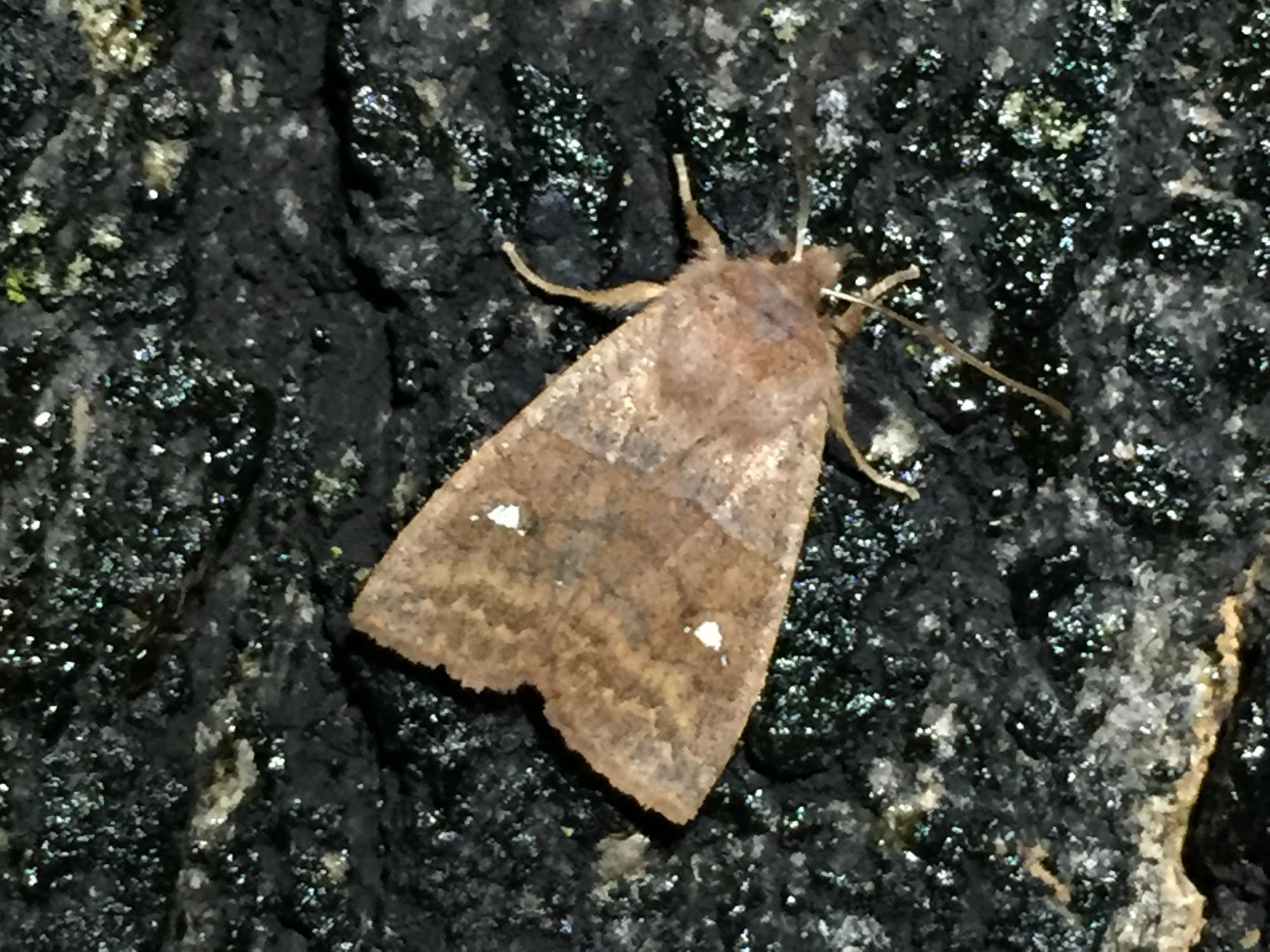

This is a Three-spotted Sallow moth, feeding at a baited tree on February 20, 2018. This is my only sighting to date of this beautiful species.
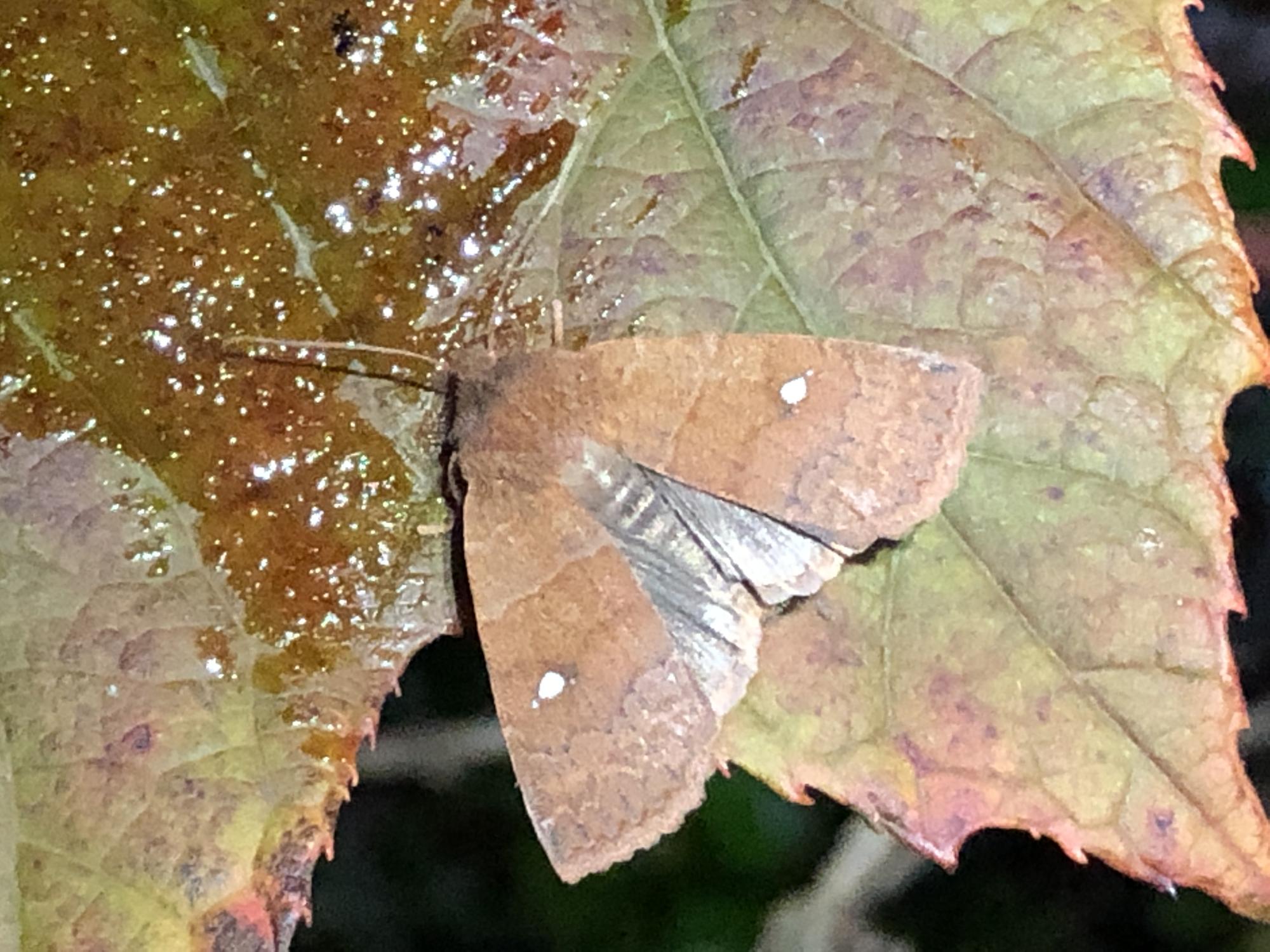
Straight-toothed Sallows (and related species) fly in autumn and early spring. They hibernate through the winter and sometimes become active on warm winter days. The individual at left was feeding on my moth bait in November, and I have also found these moths in December and as early as February 4th (in mild weather). They are also very common in March and early April.
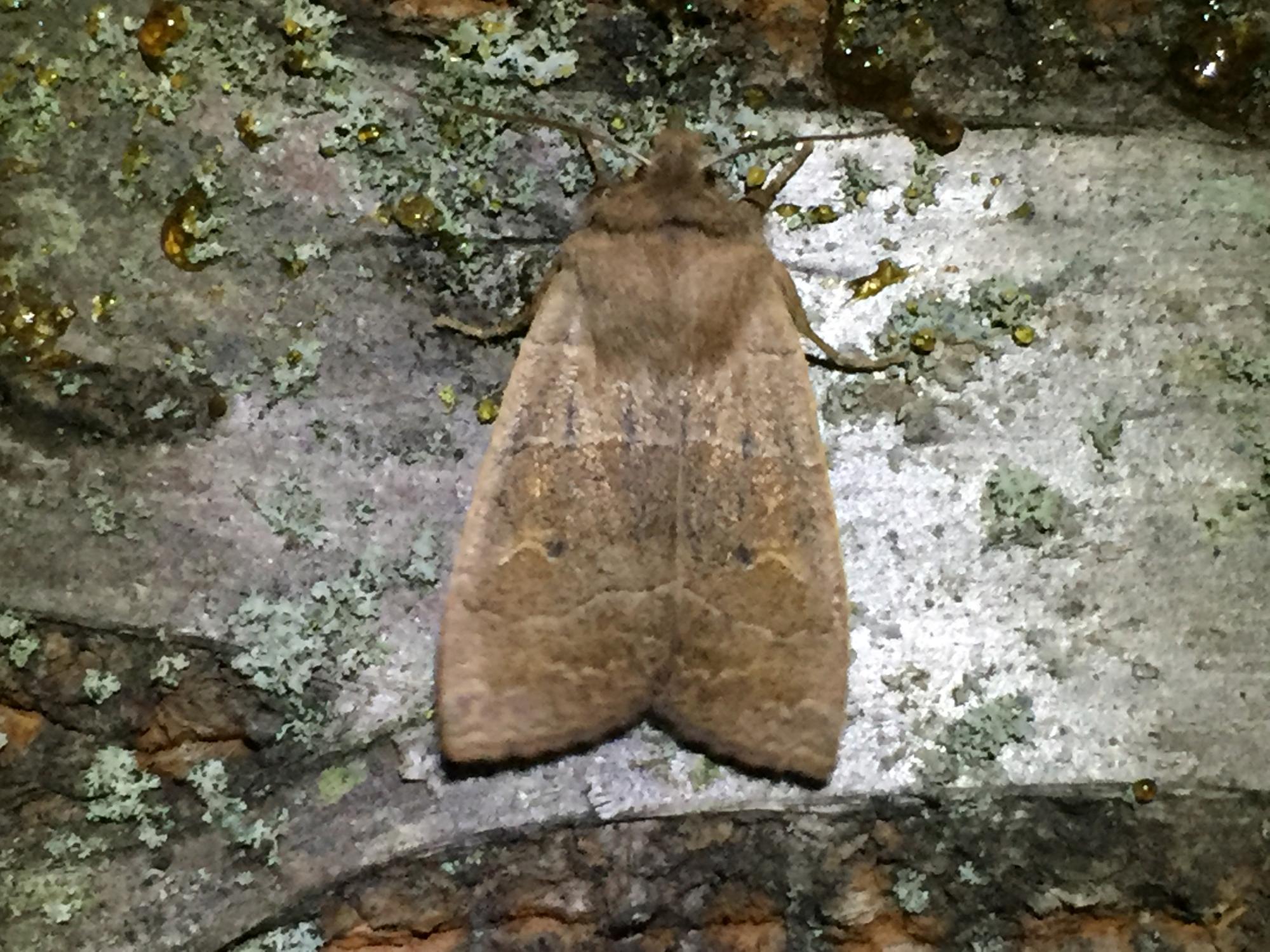
Morrison's Sallow feeding at a baited tree. This is the other most frequent visitor to my moth bait. Note the black dot in the inner half of the reniform spot.
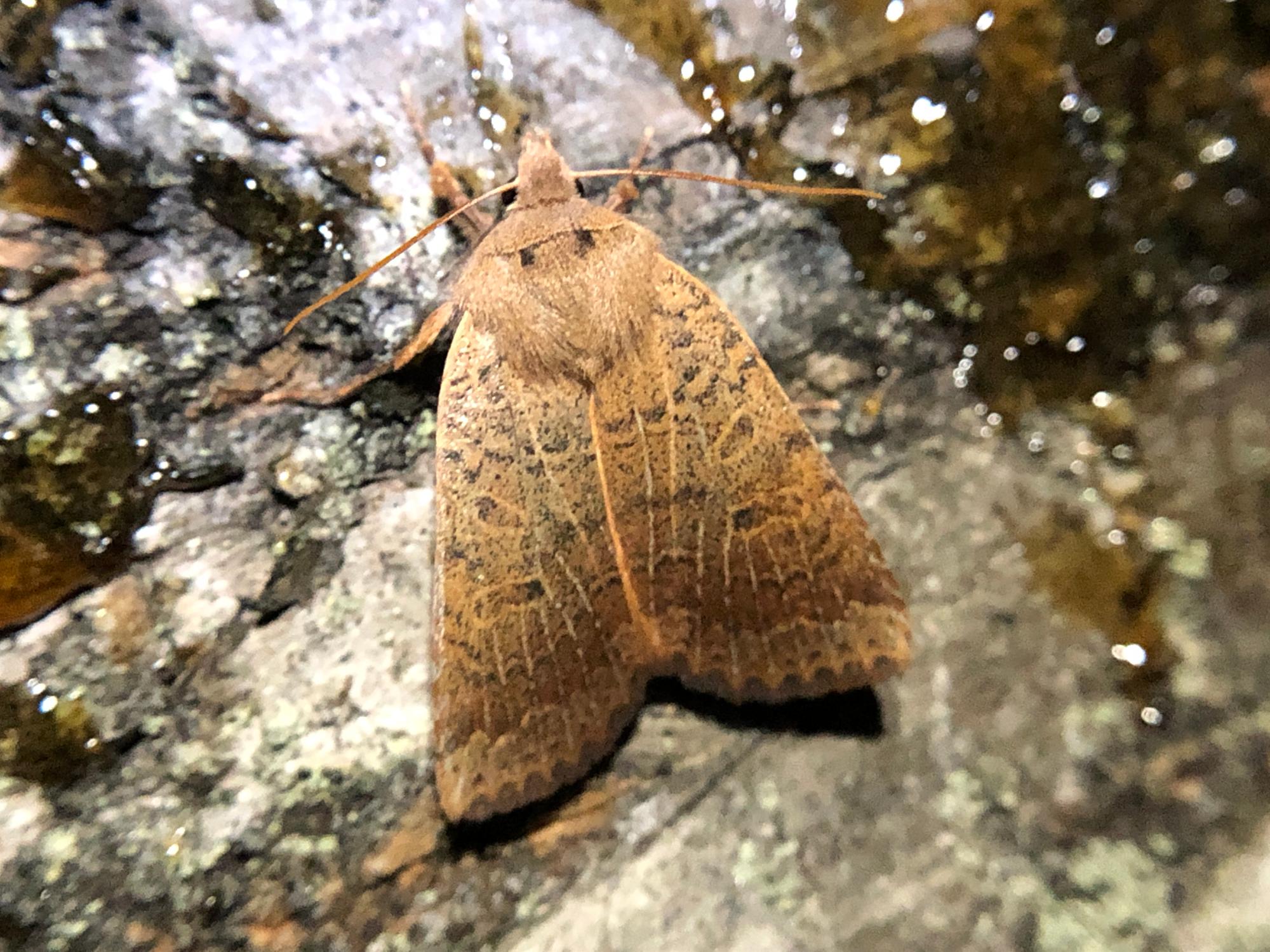
Variable Sallow moth. I have found several individuals from February through early April.
Another Variable Sallow, feeding at a baited tree. Note the two small black dots on its thorax.
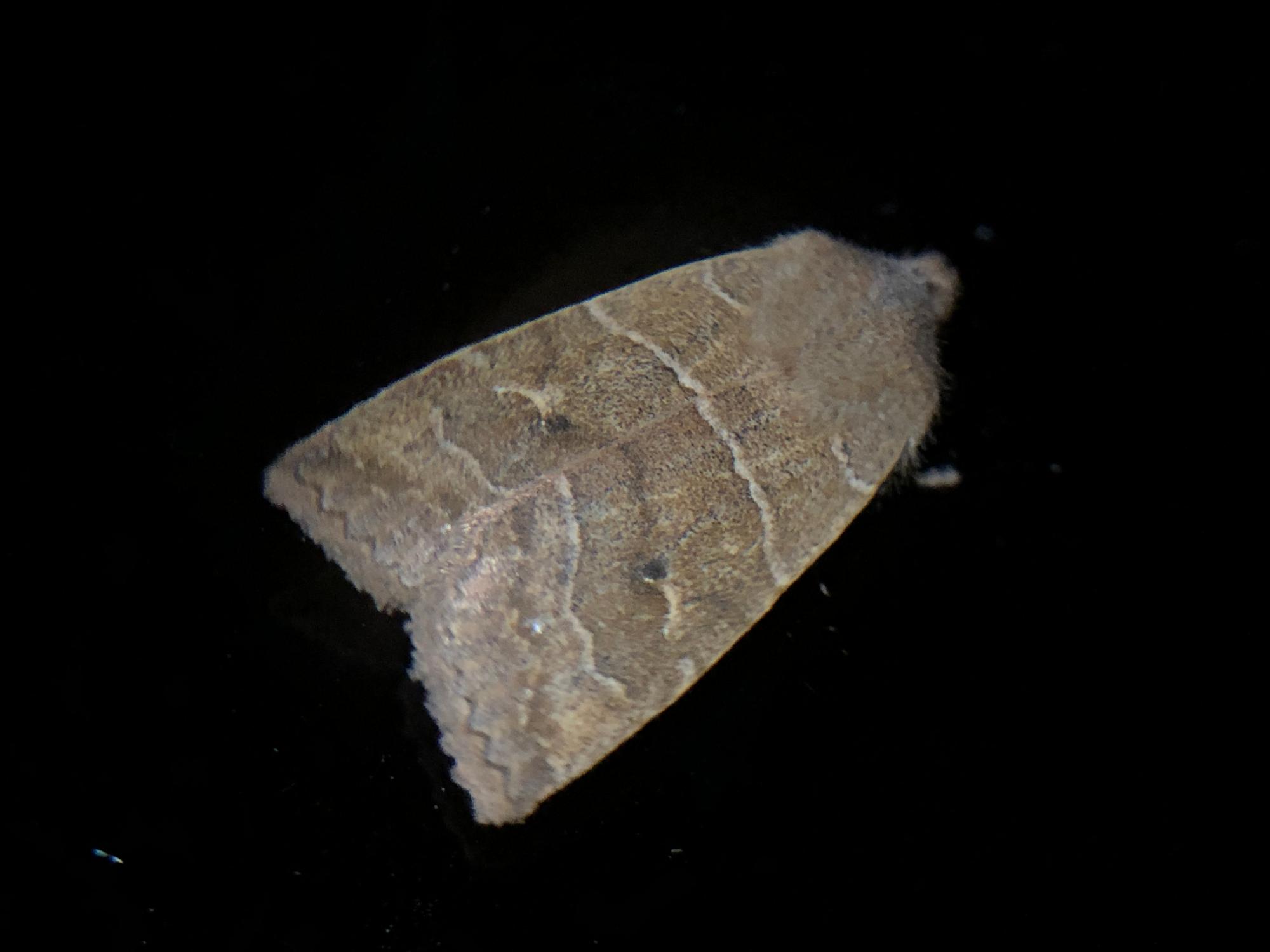
This is a more faded Morrison's Sallow, photographed in February. When Morrison's Sallows emerge from hibernation in February or March, they are very hungry and eagerly searching for tree sap (or moth bait!).